INHOSPITABLE ROCKS
Wildlife Photography on the Galápagos Islands
On an adventurous seaborne approach to the Galápagos archipelago, with the wind buffeting against my ears and whistling through the sailing apparatus, and heavy waves ramming against the hull, the islands appear brown and plain. Even Charles Darwin, the famous naturalist whose scientific writings brought these isolated islands into the global culture, wrote the following in his journal of the HMS Beagle: “Nothing could be more uninviting than the first appearance. A broken field of black basaltic lava, thrown into the most rugged waves, and crossed by great fissure, is everywhere covered by stunted sunburnt brushwood, which shows little signs of life…”
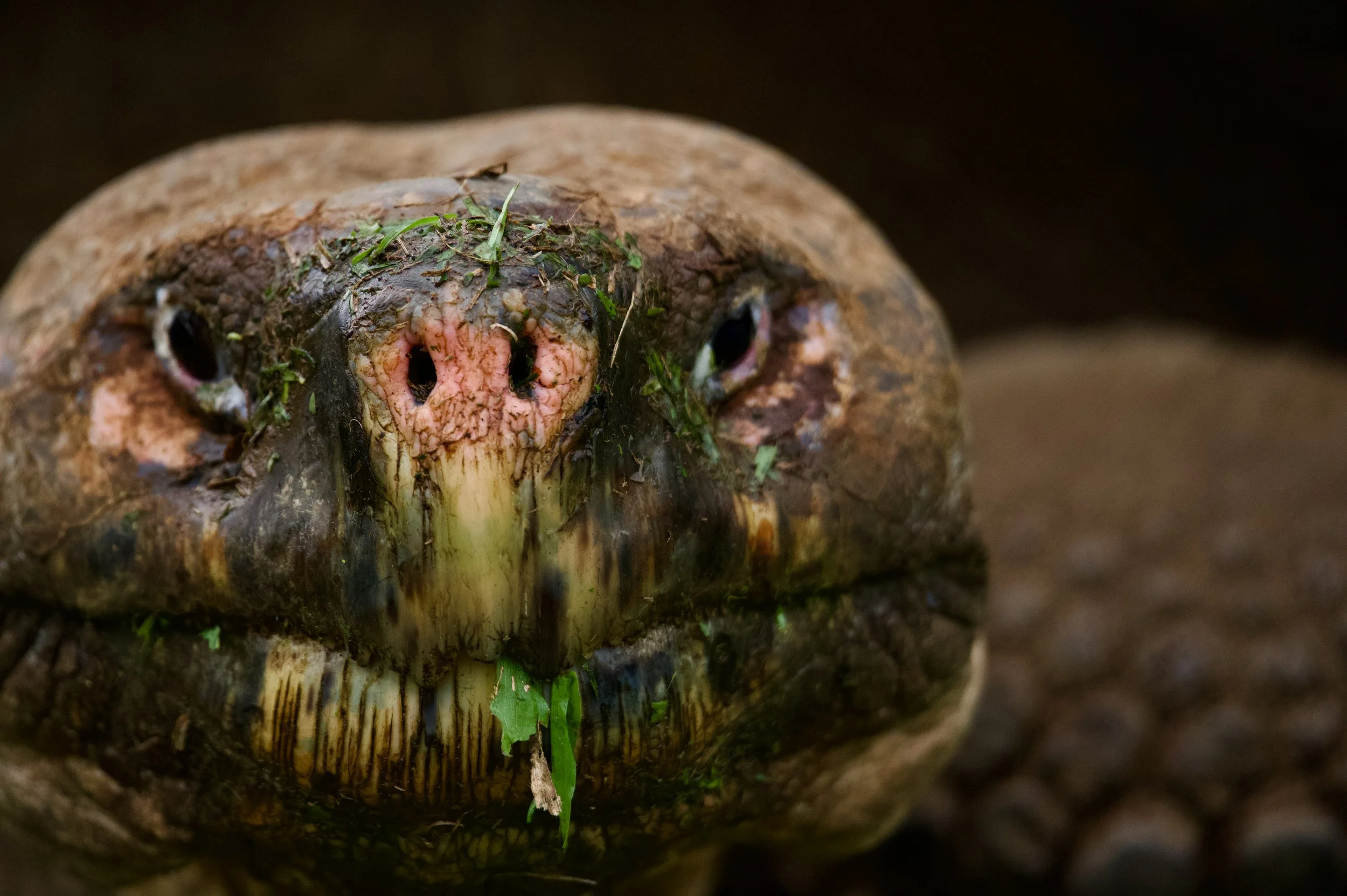
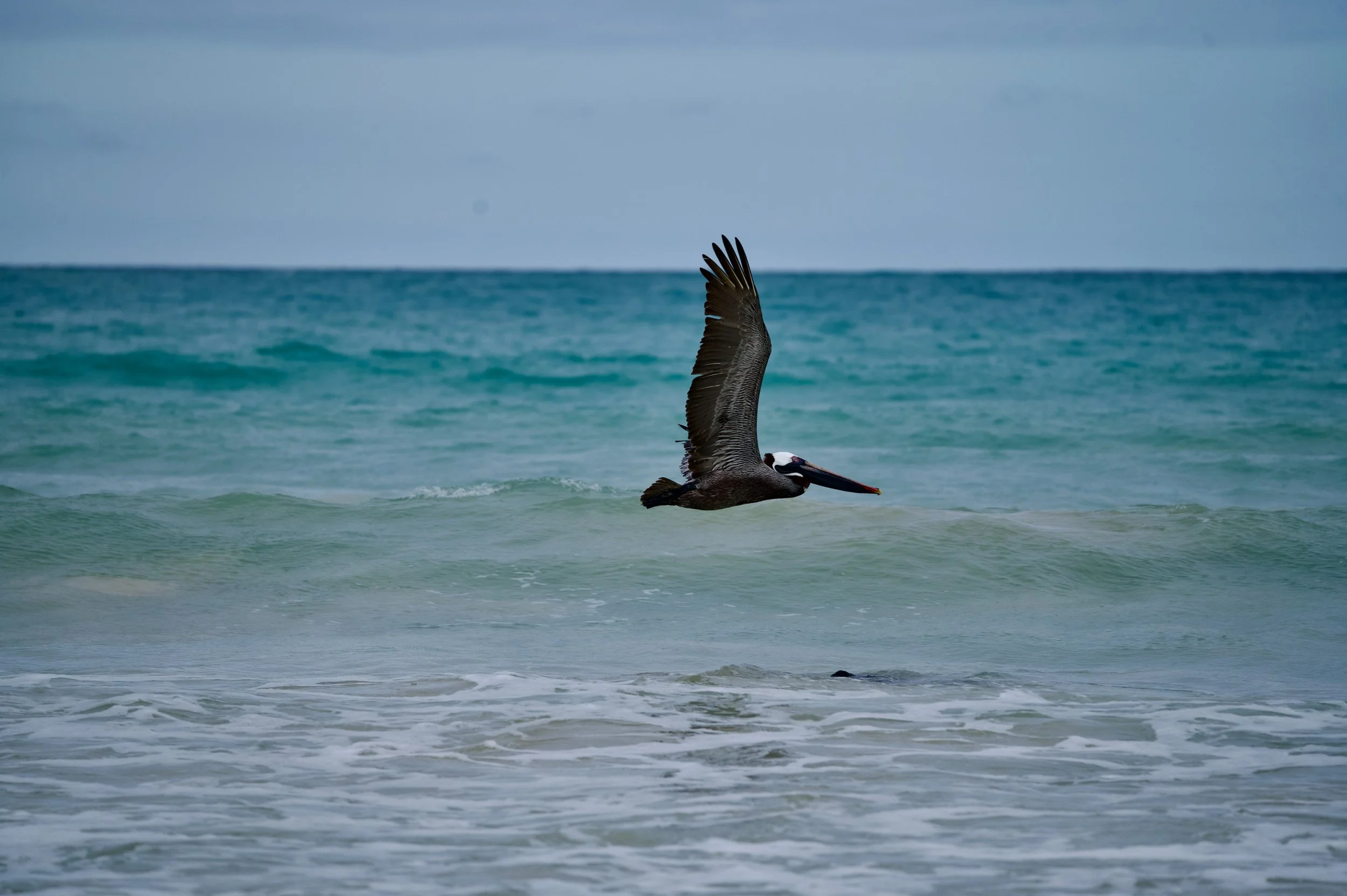
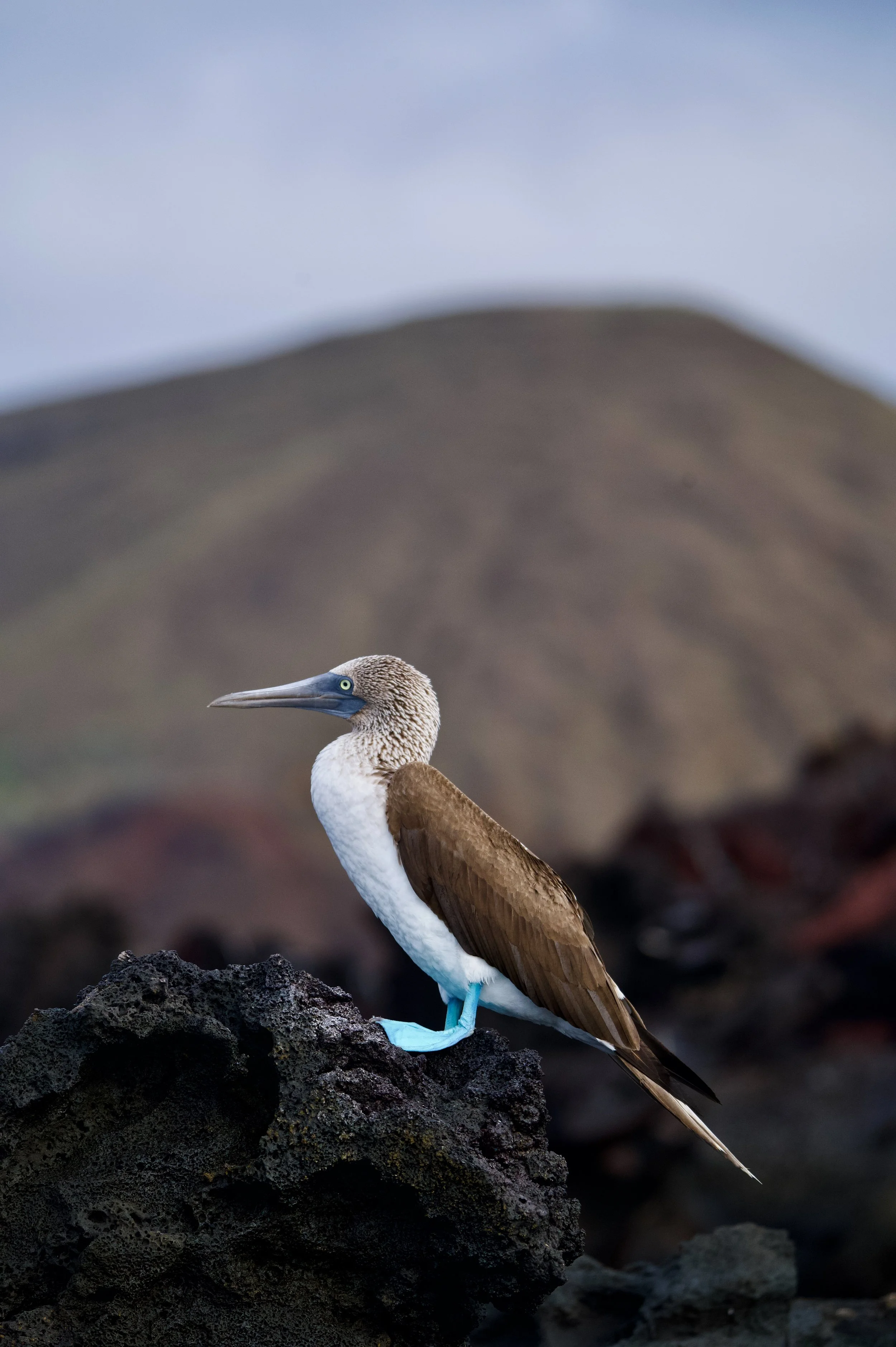
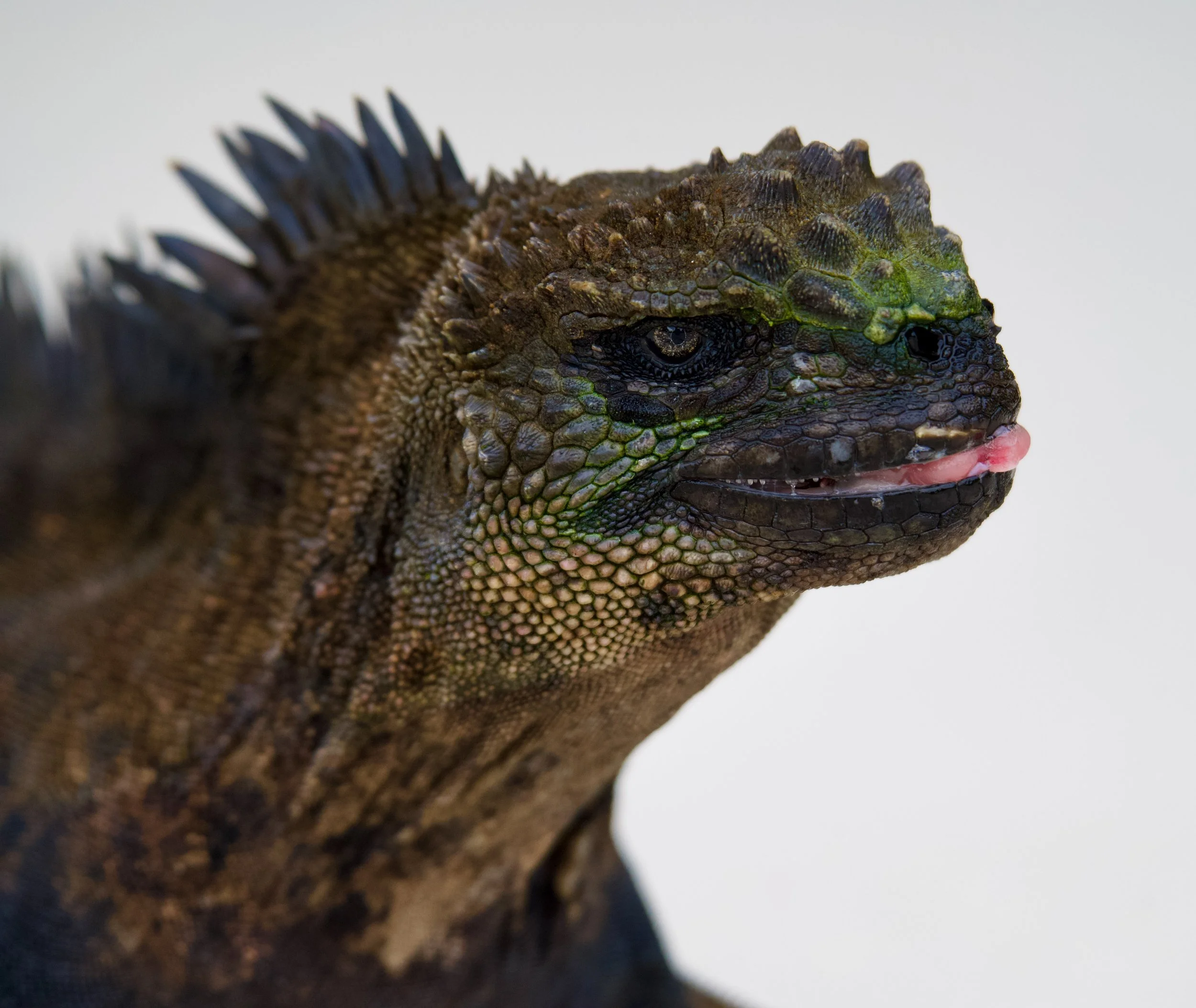
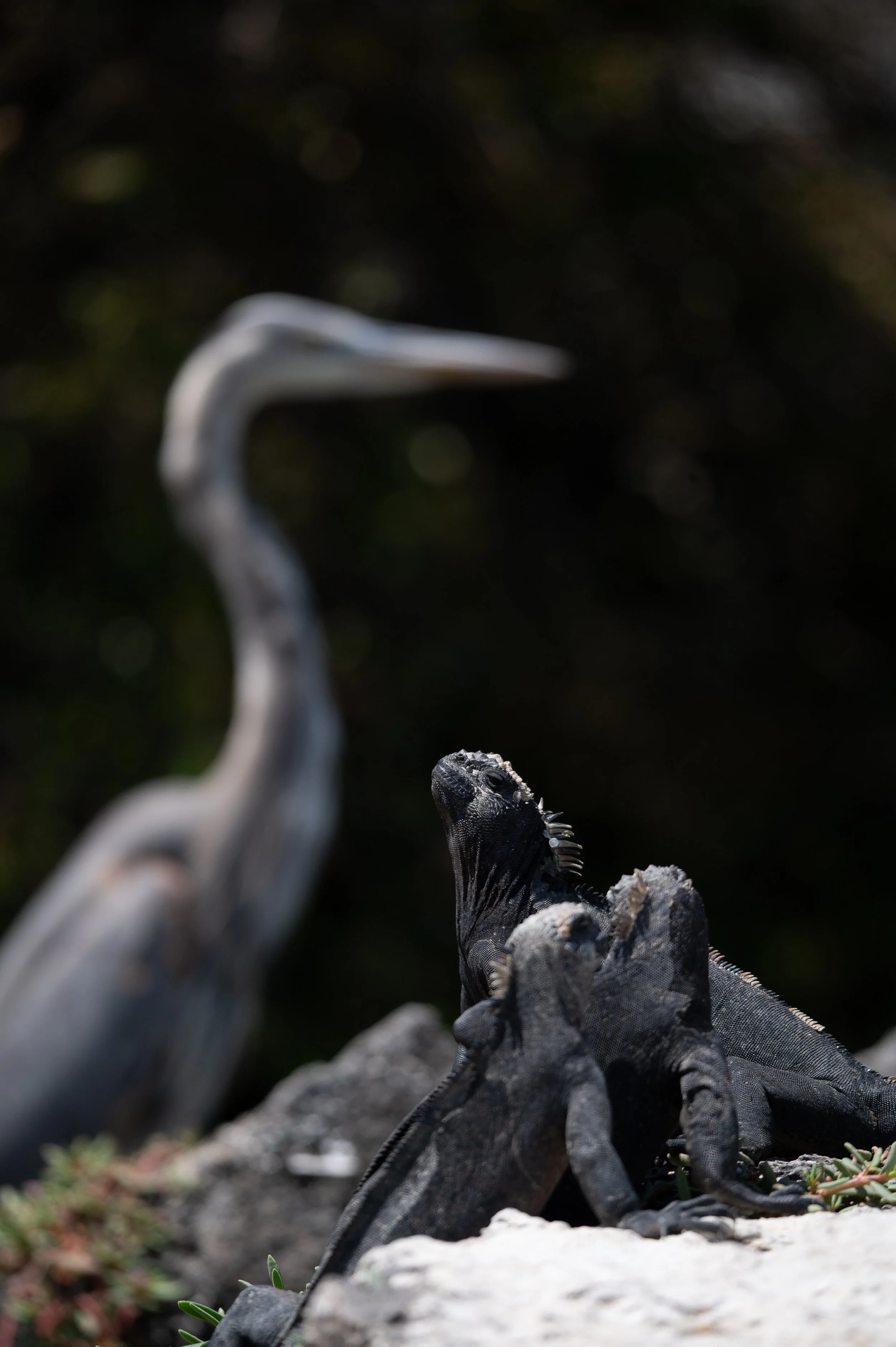
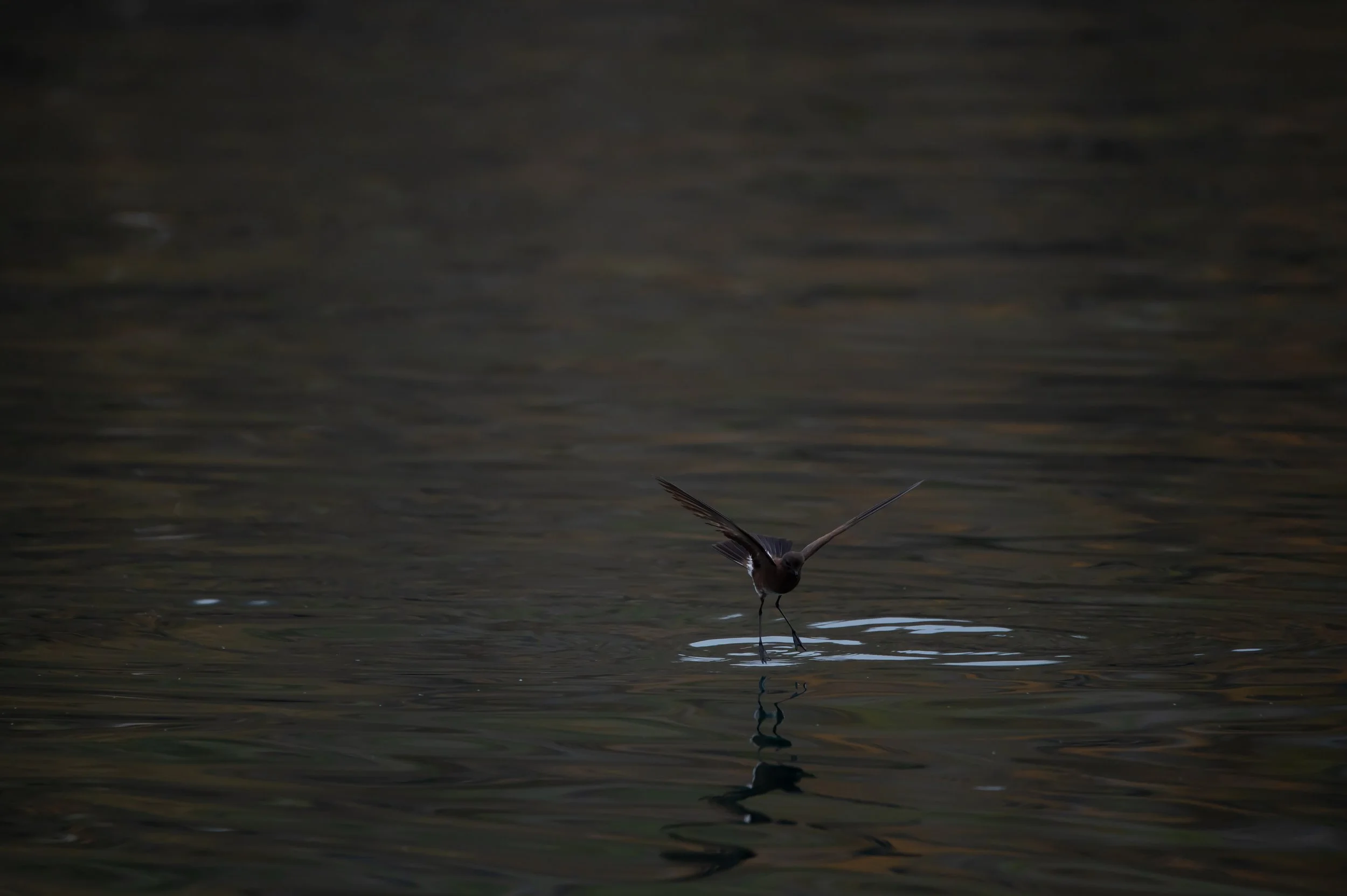
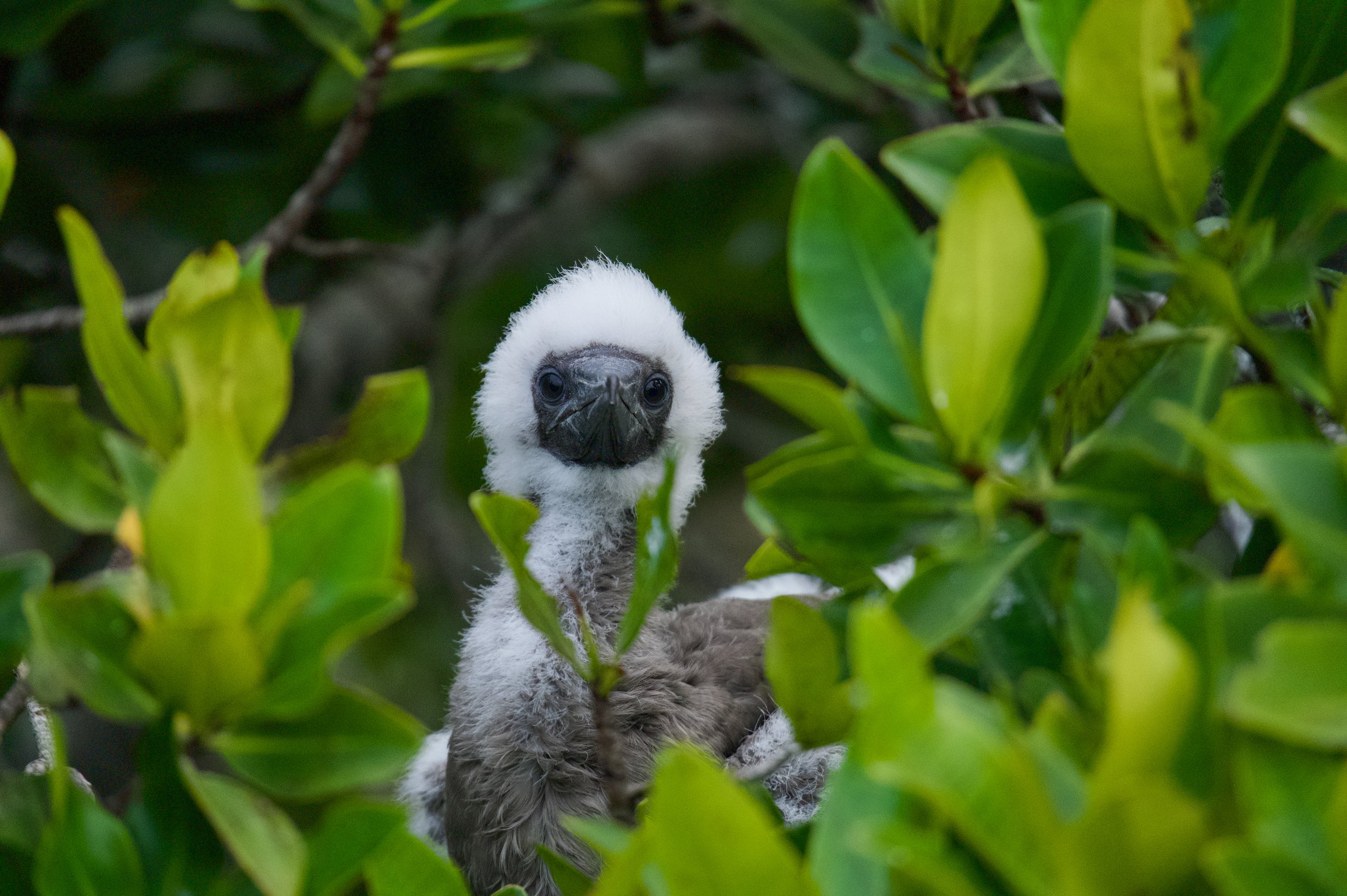
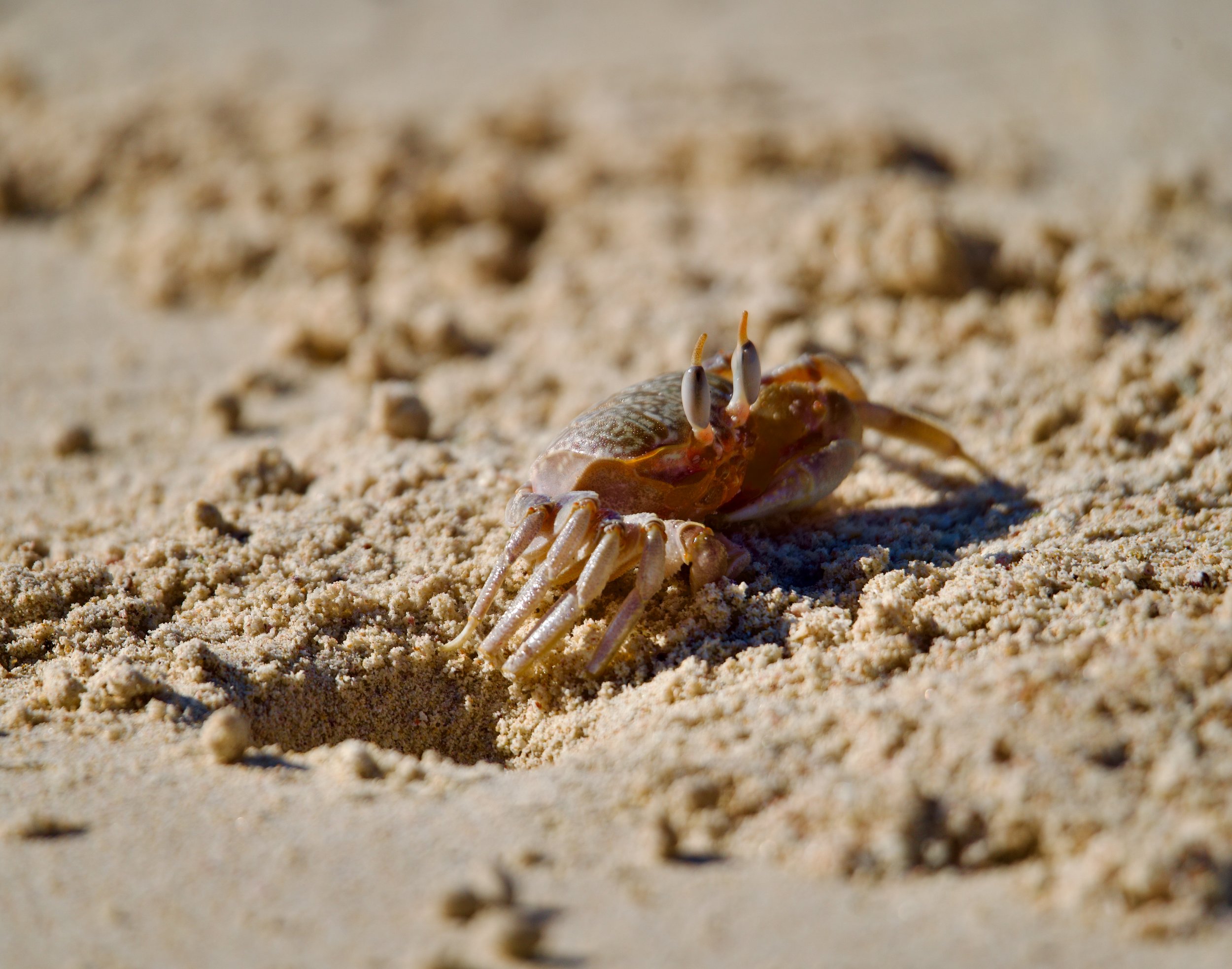
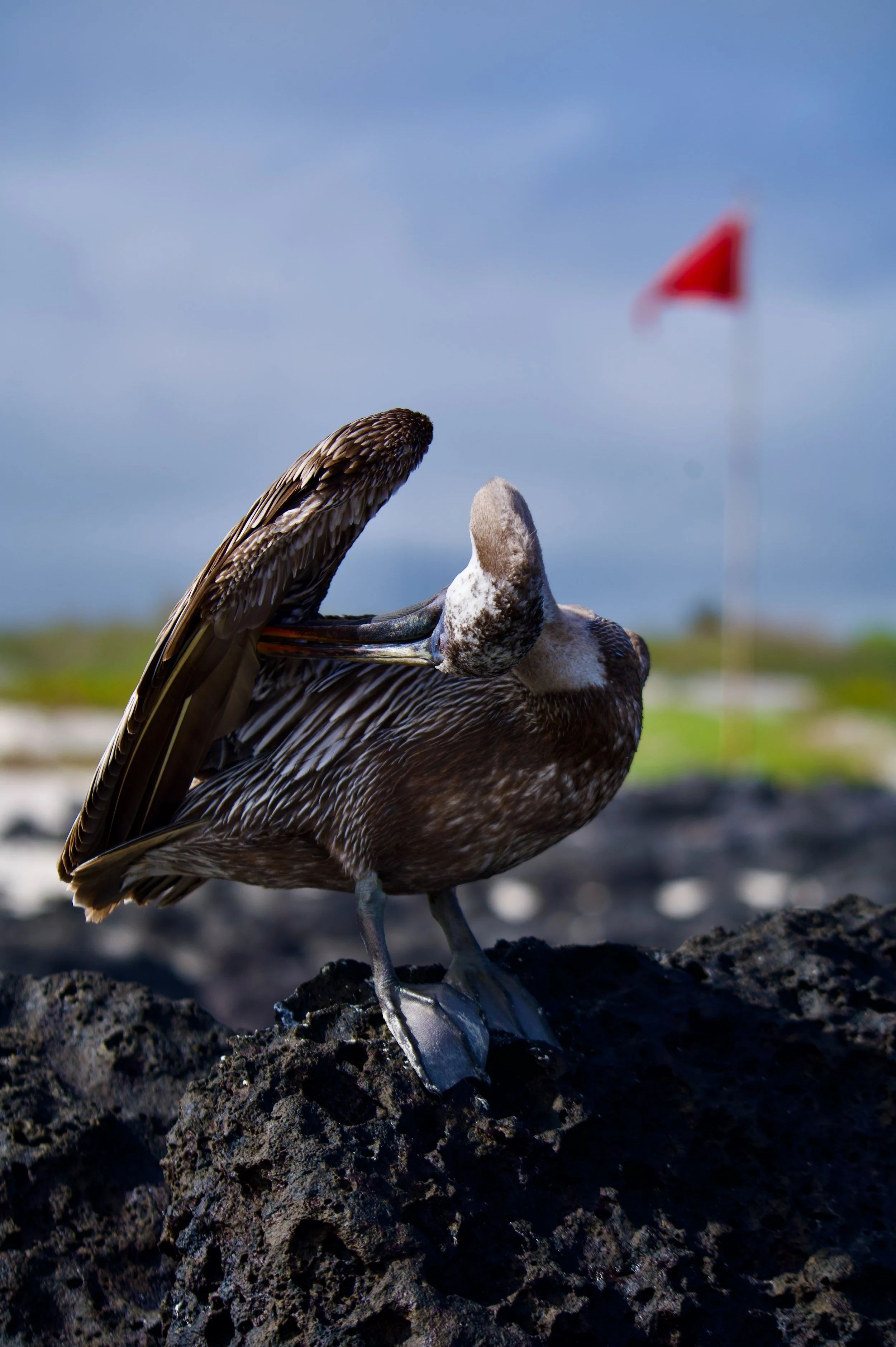
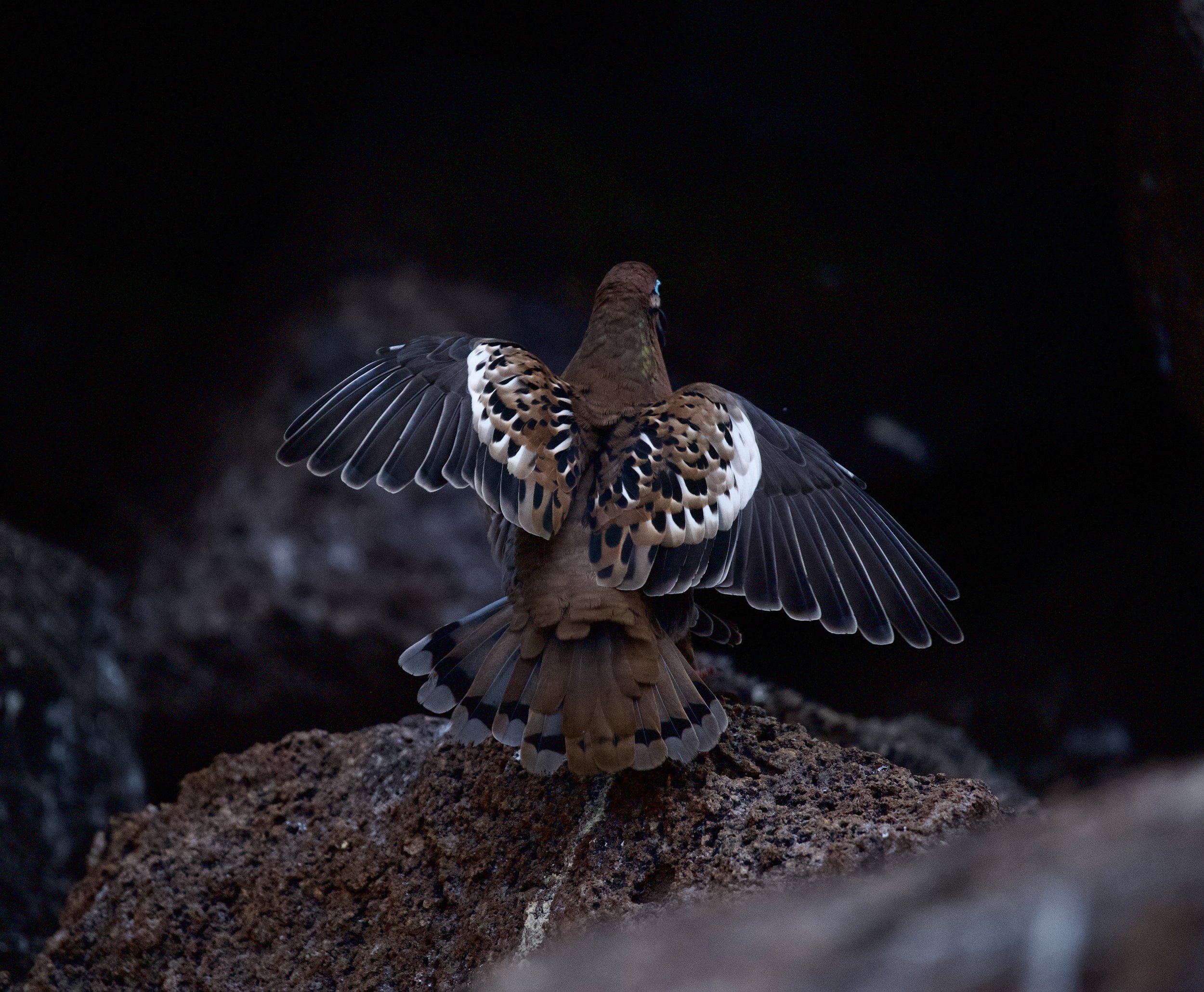
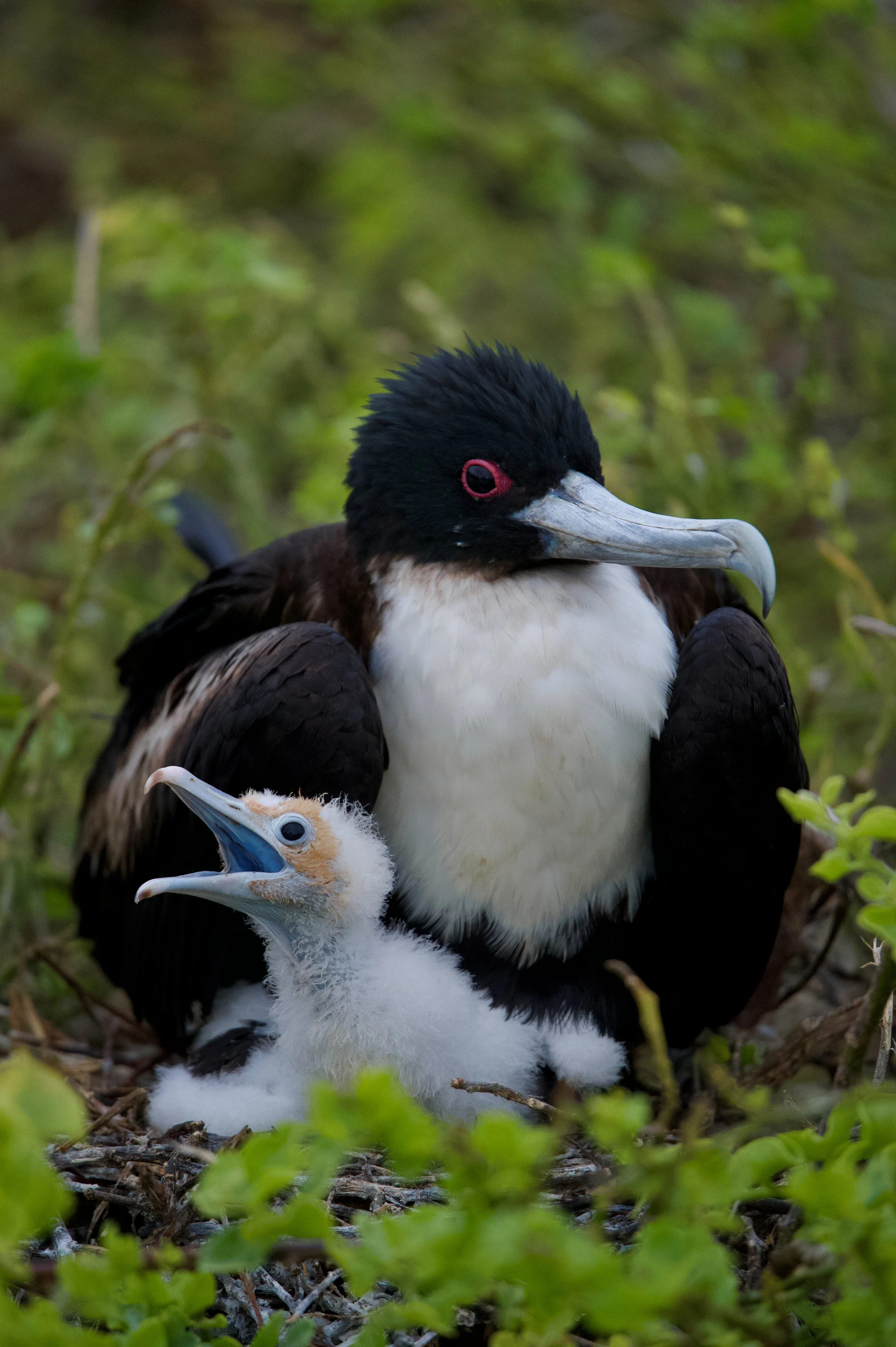
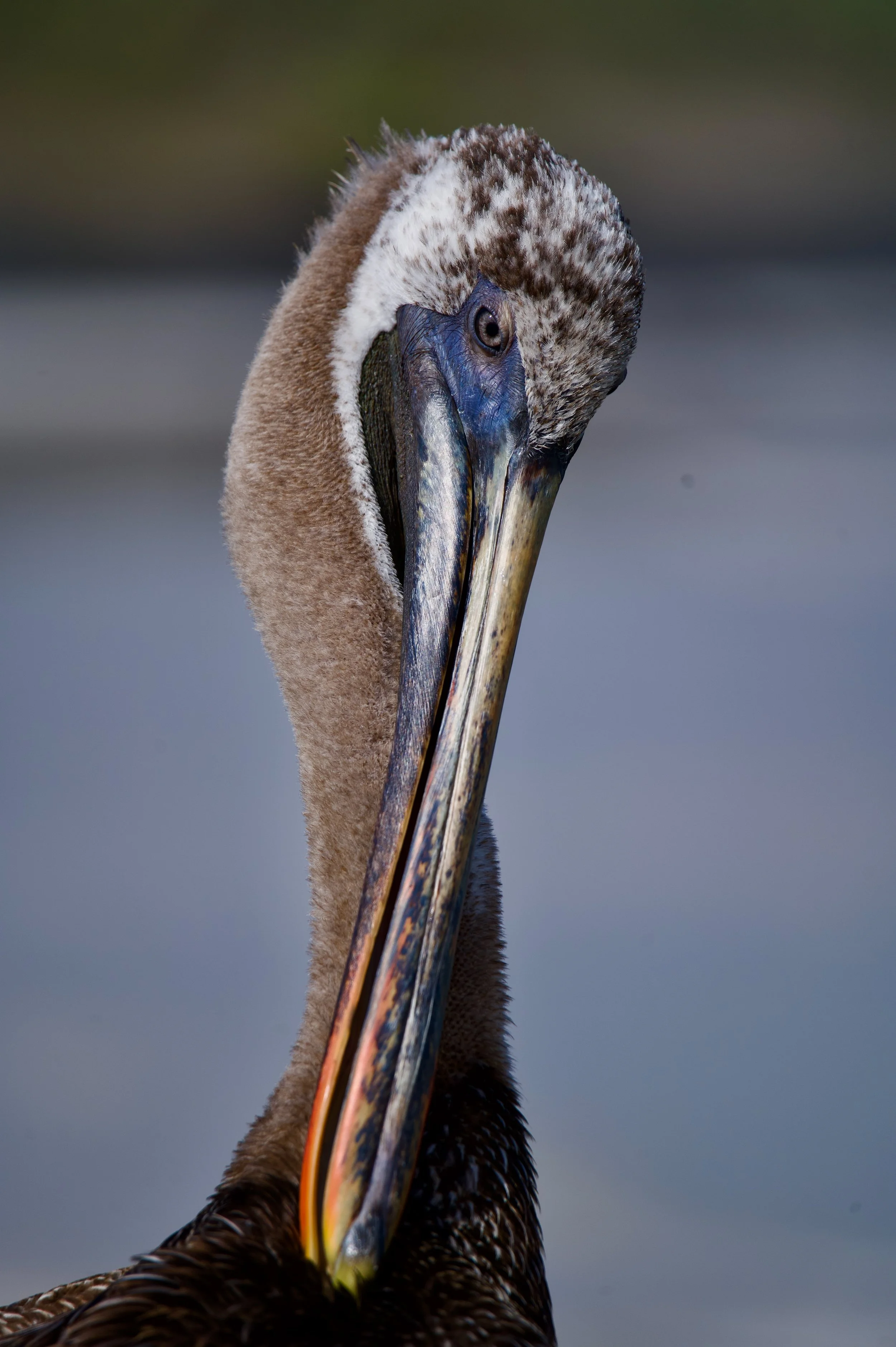
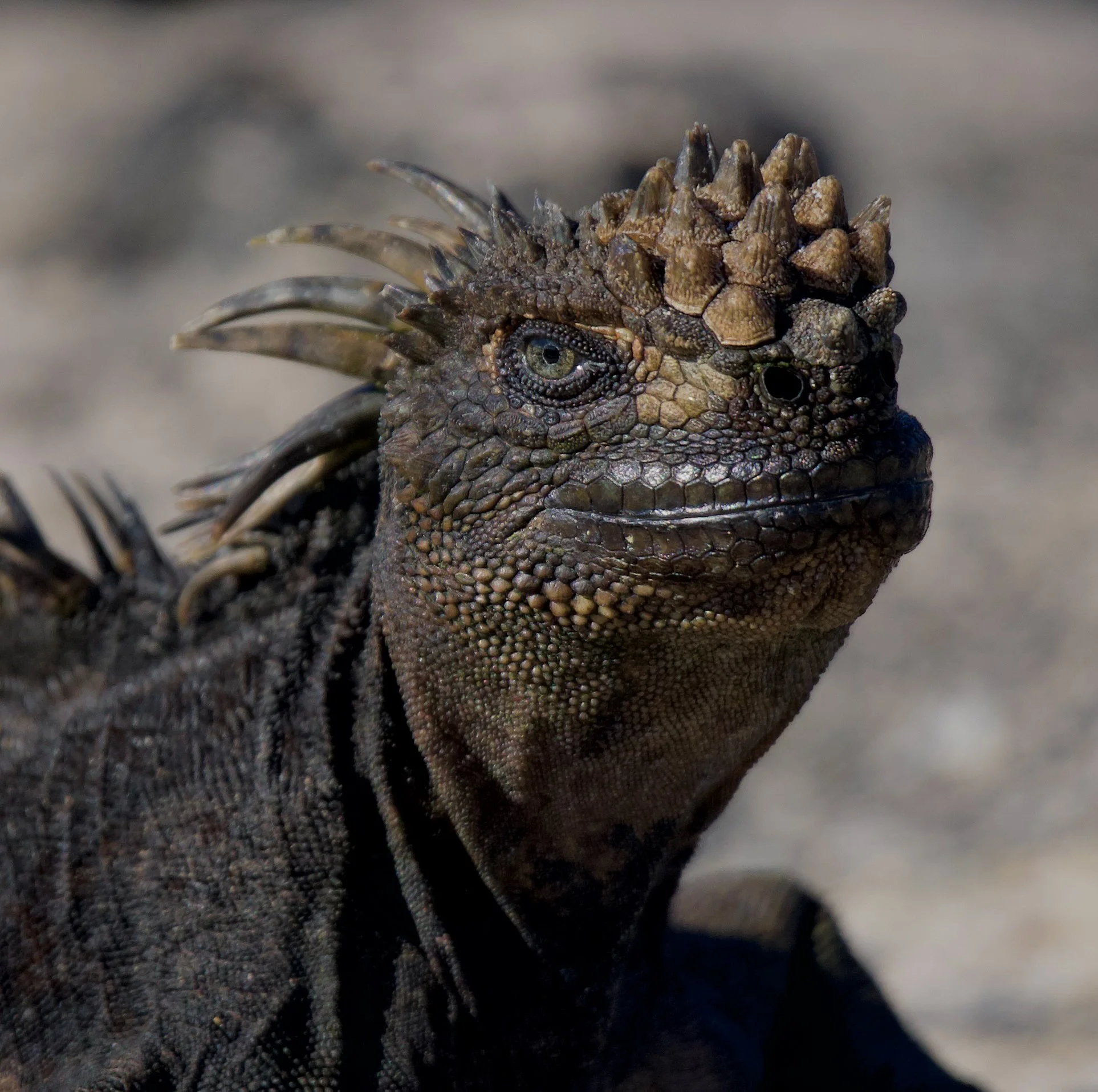
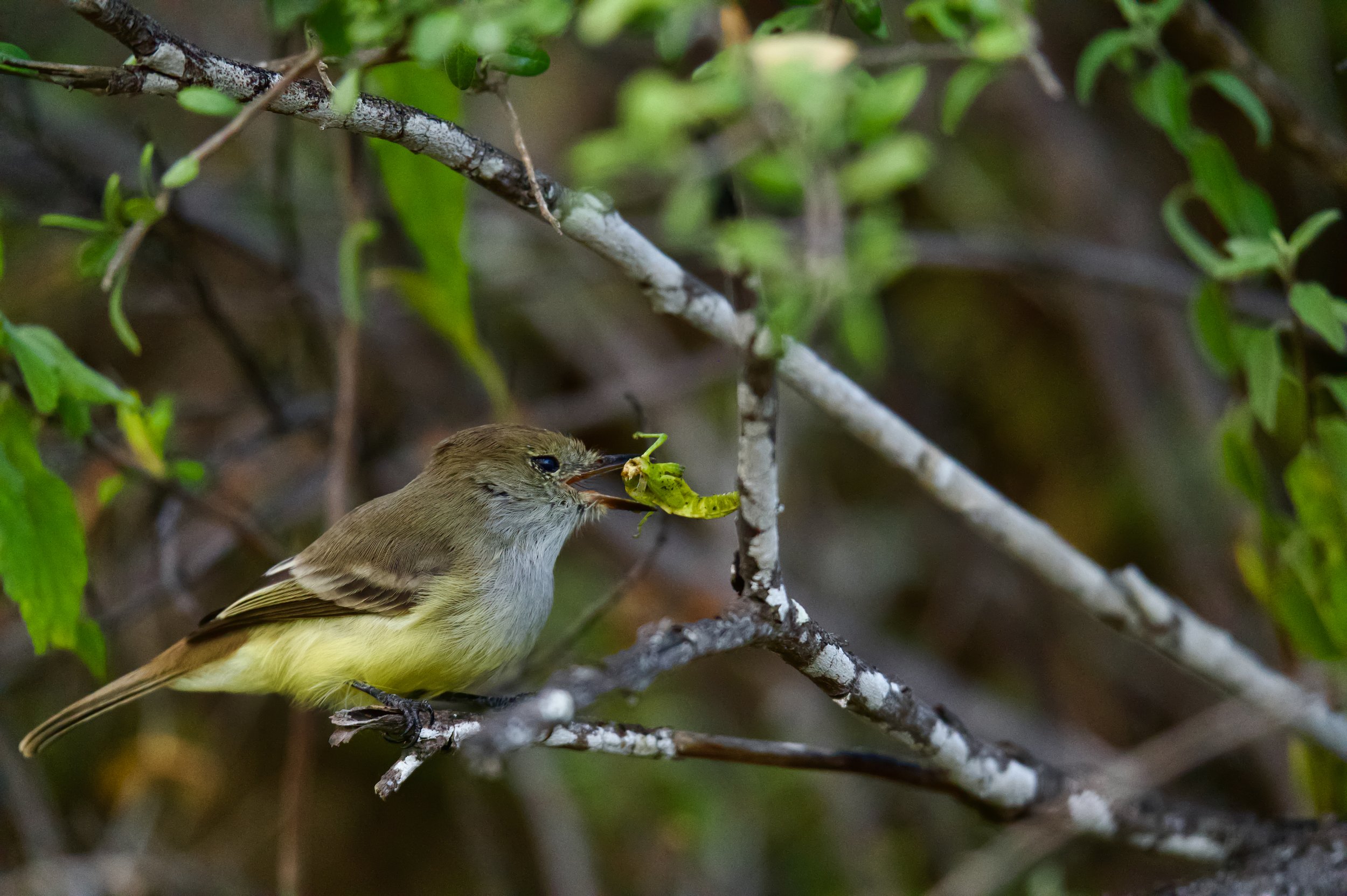
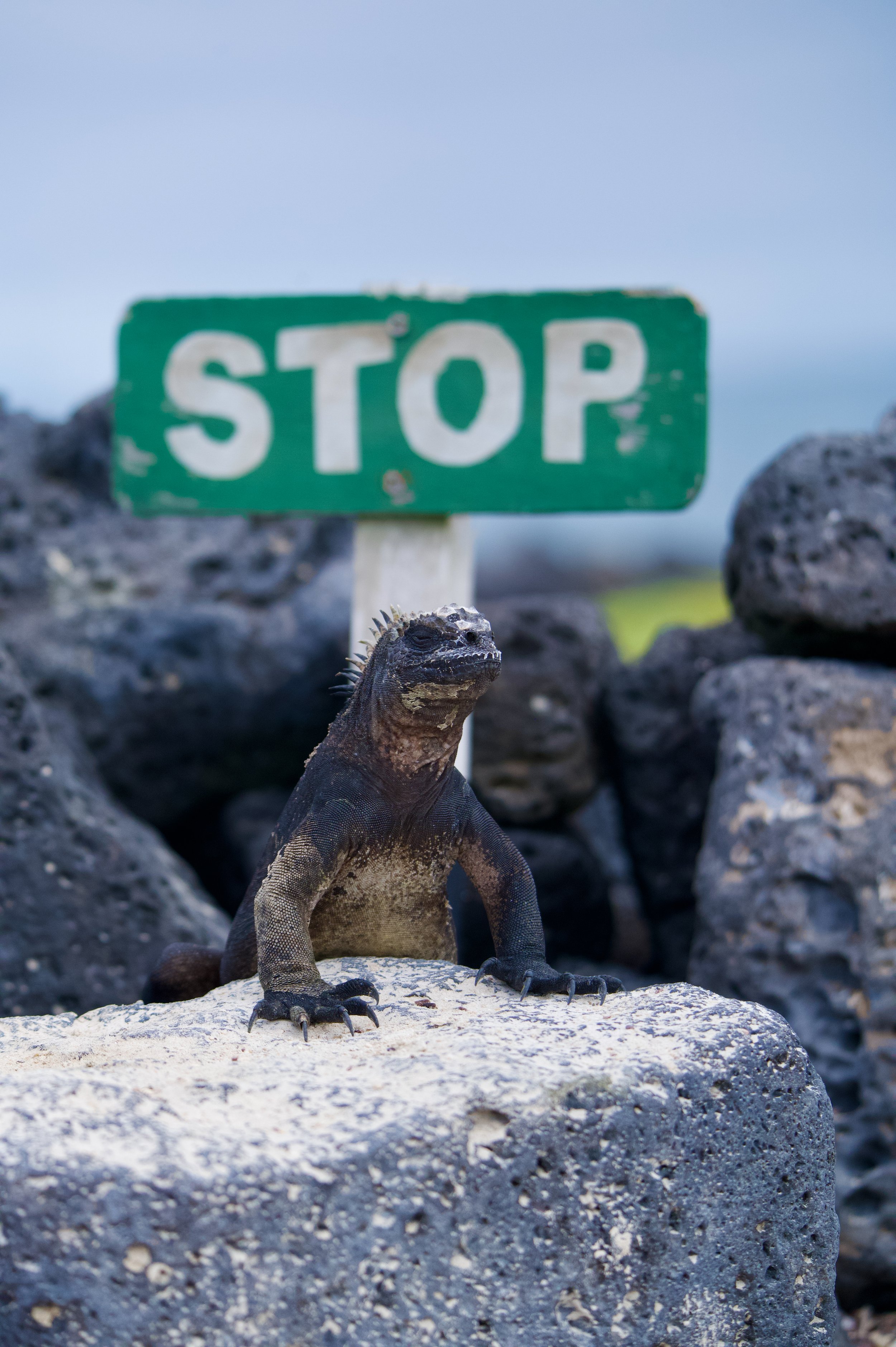
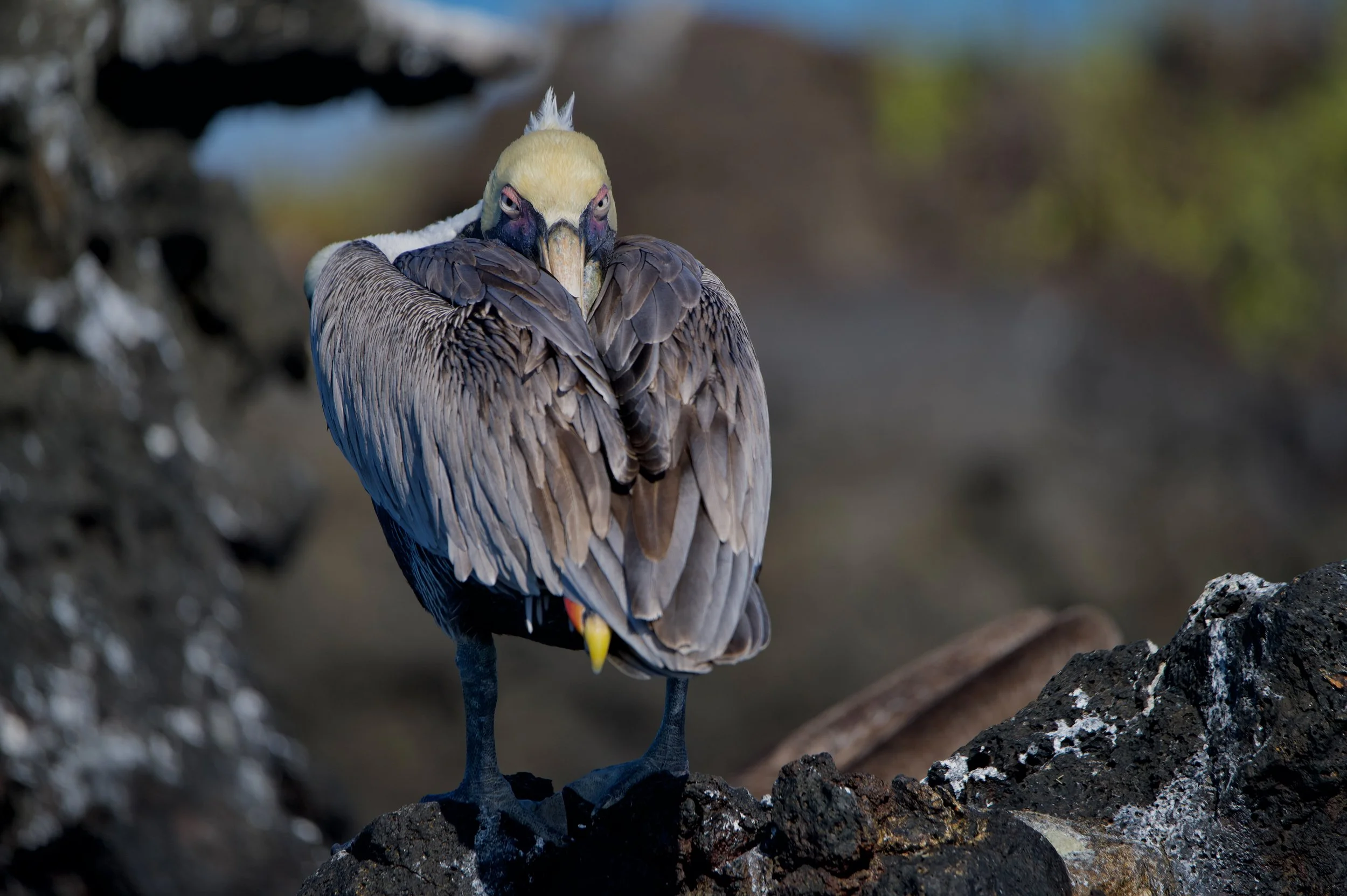
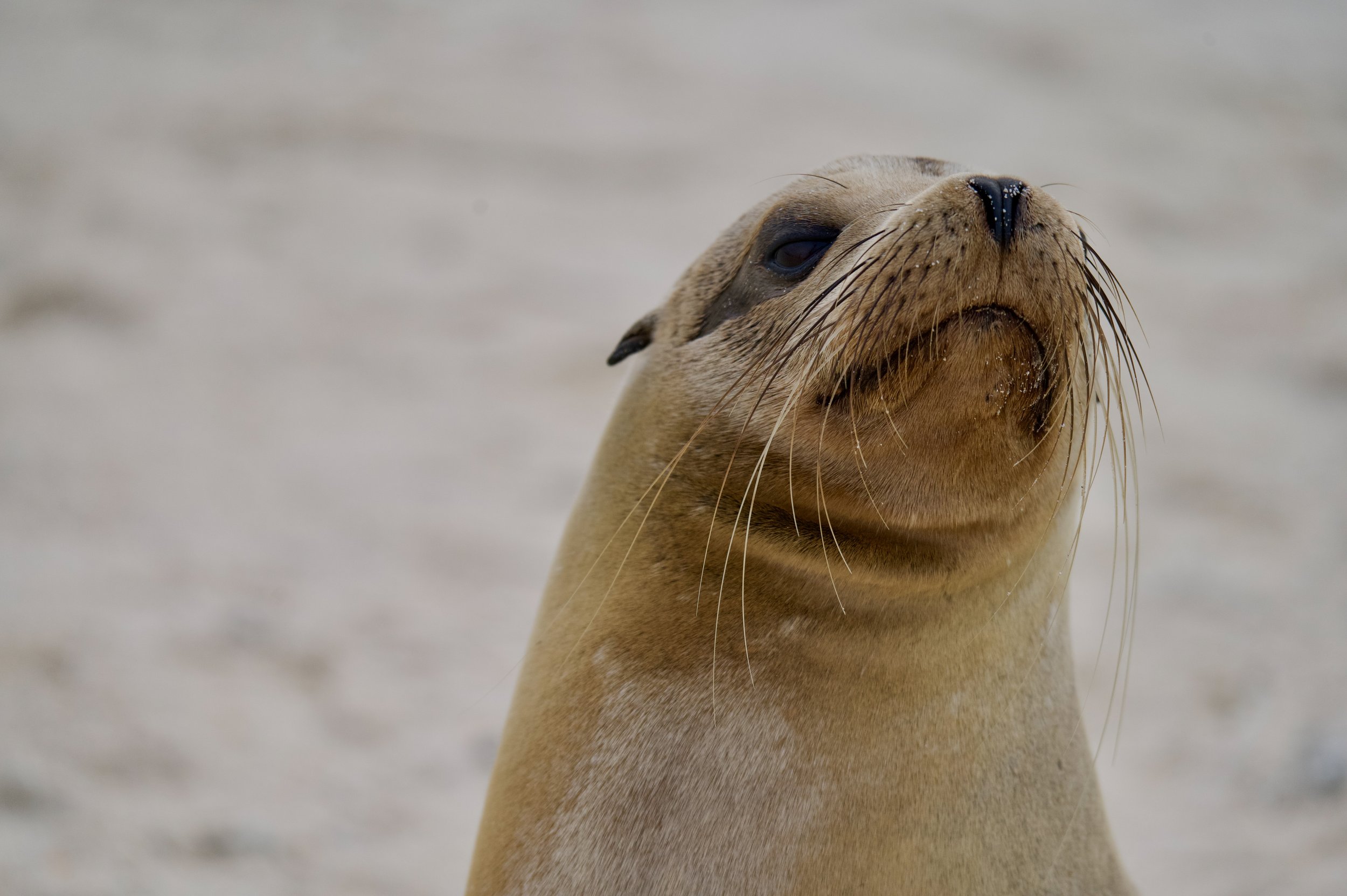
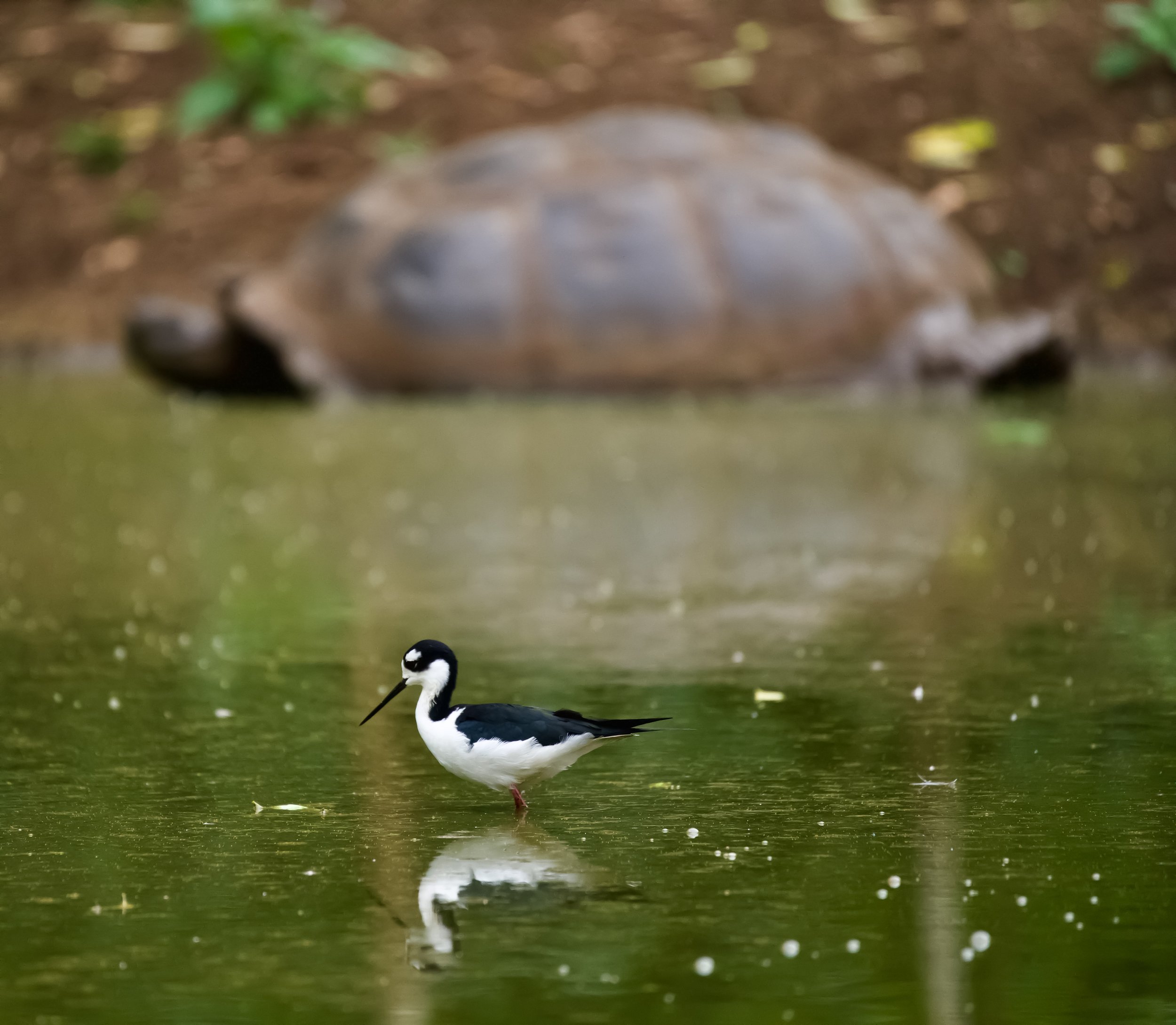
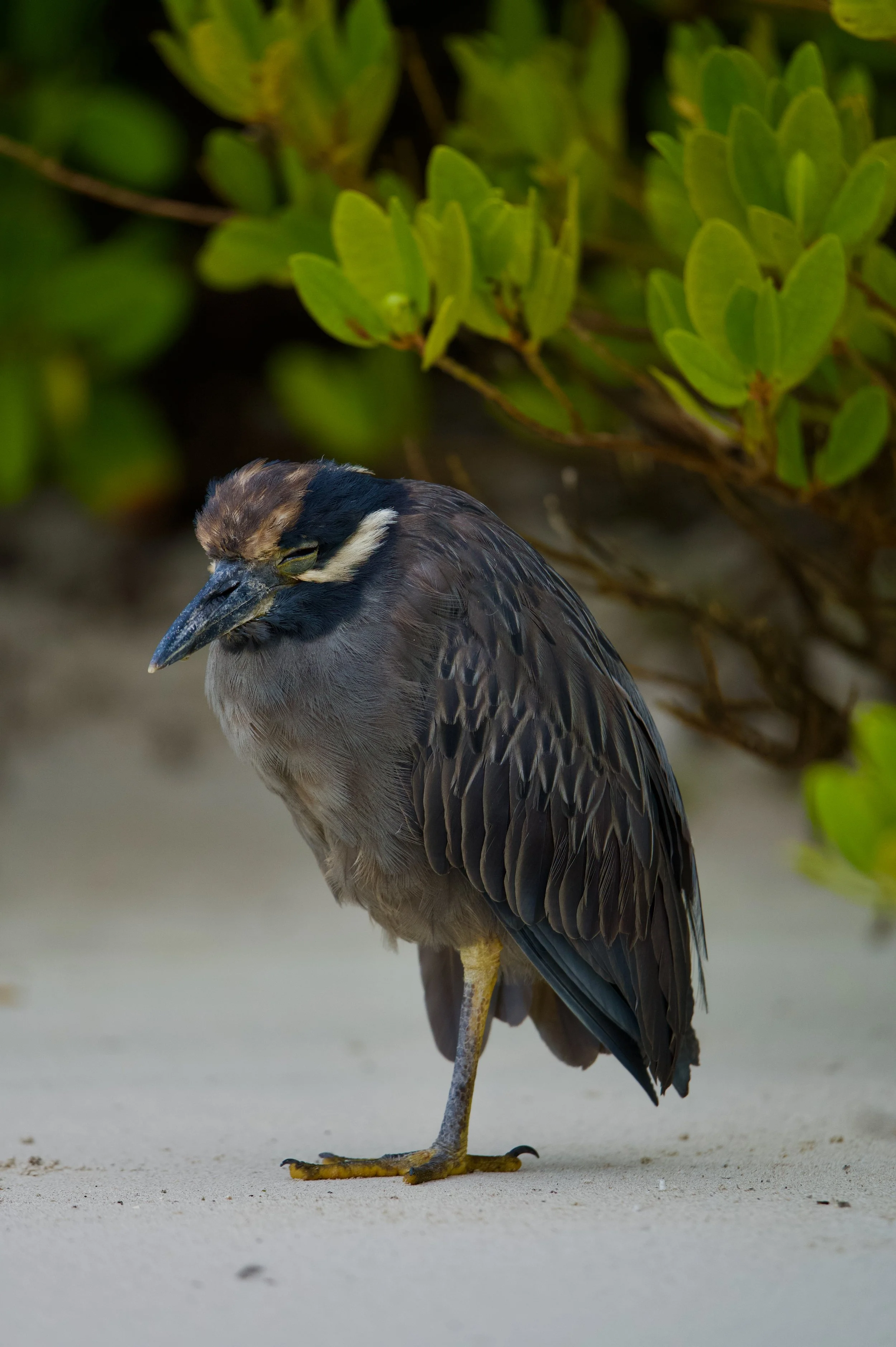
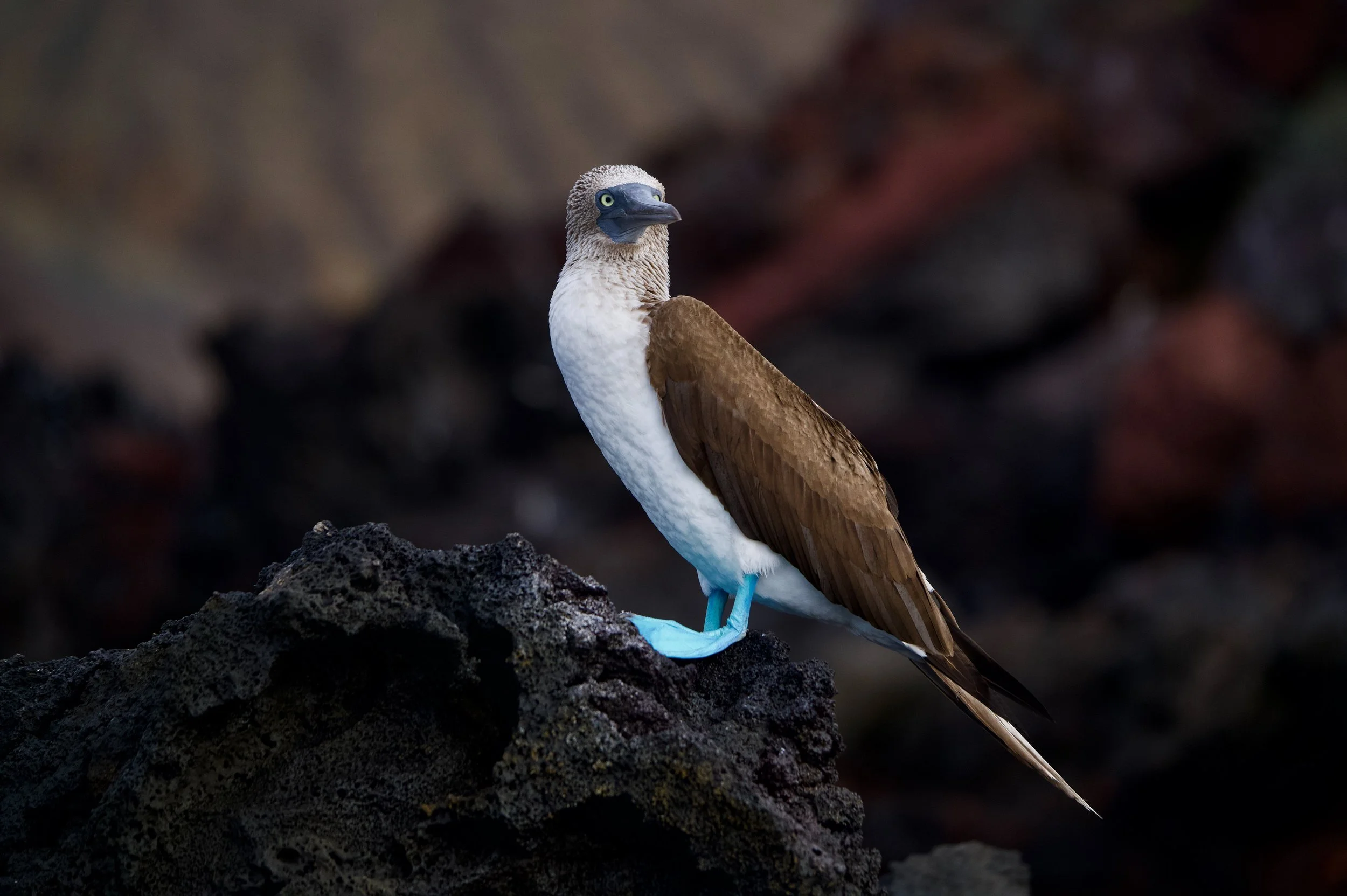
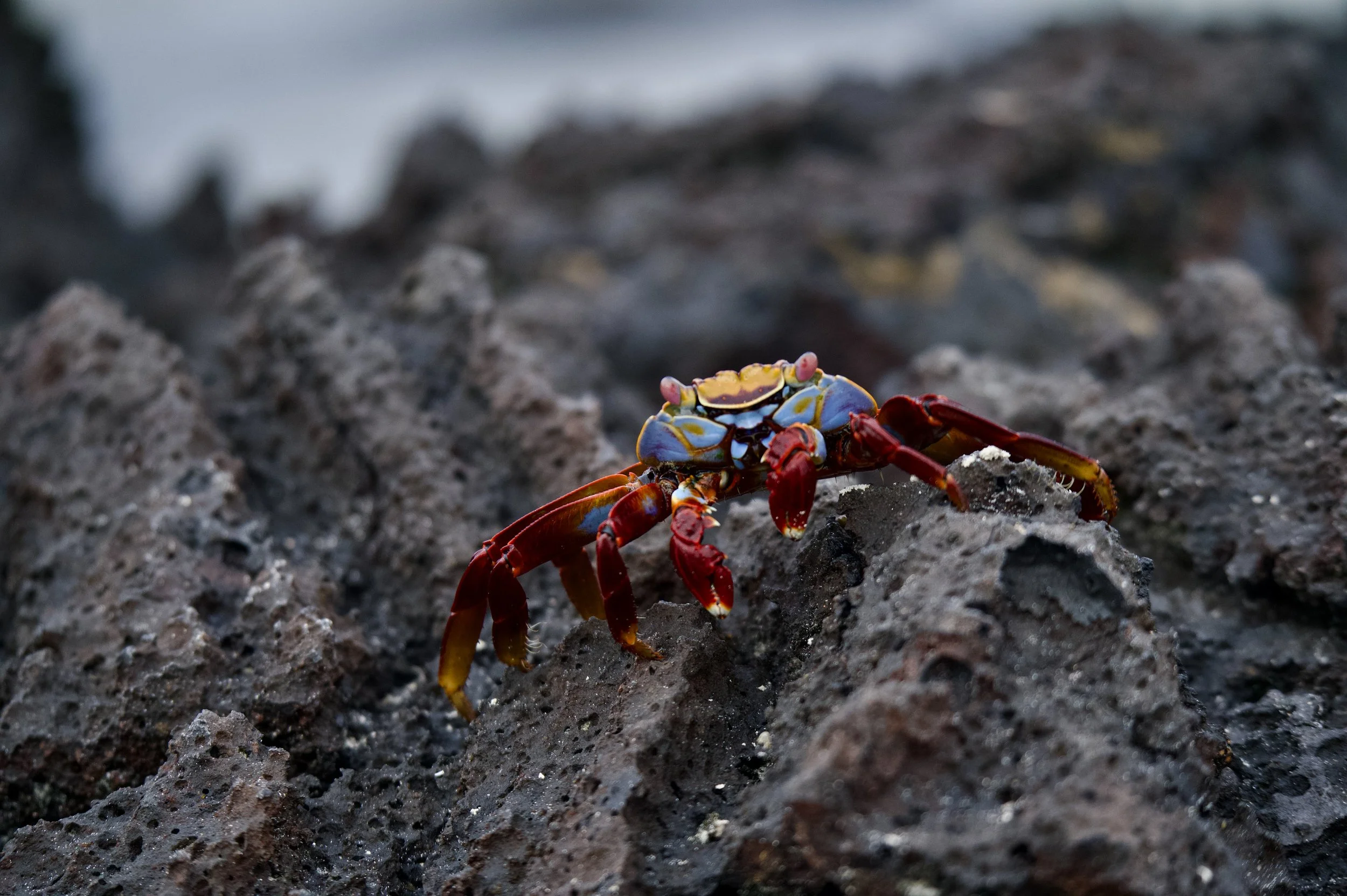
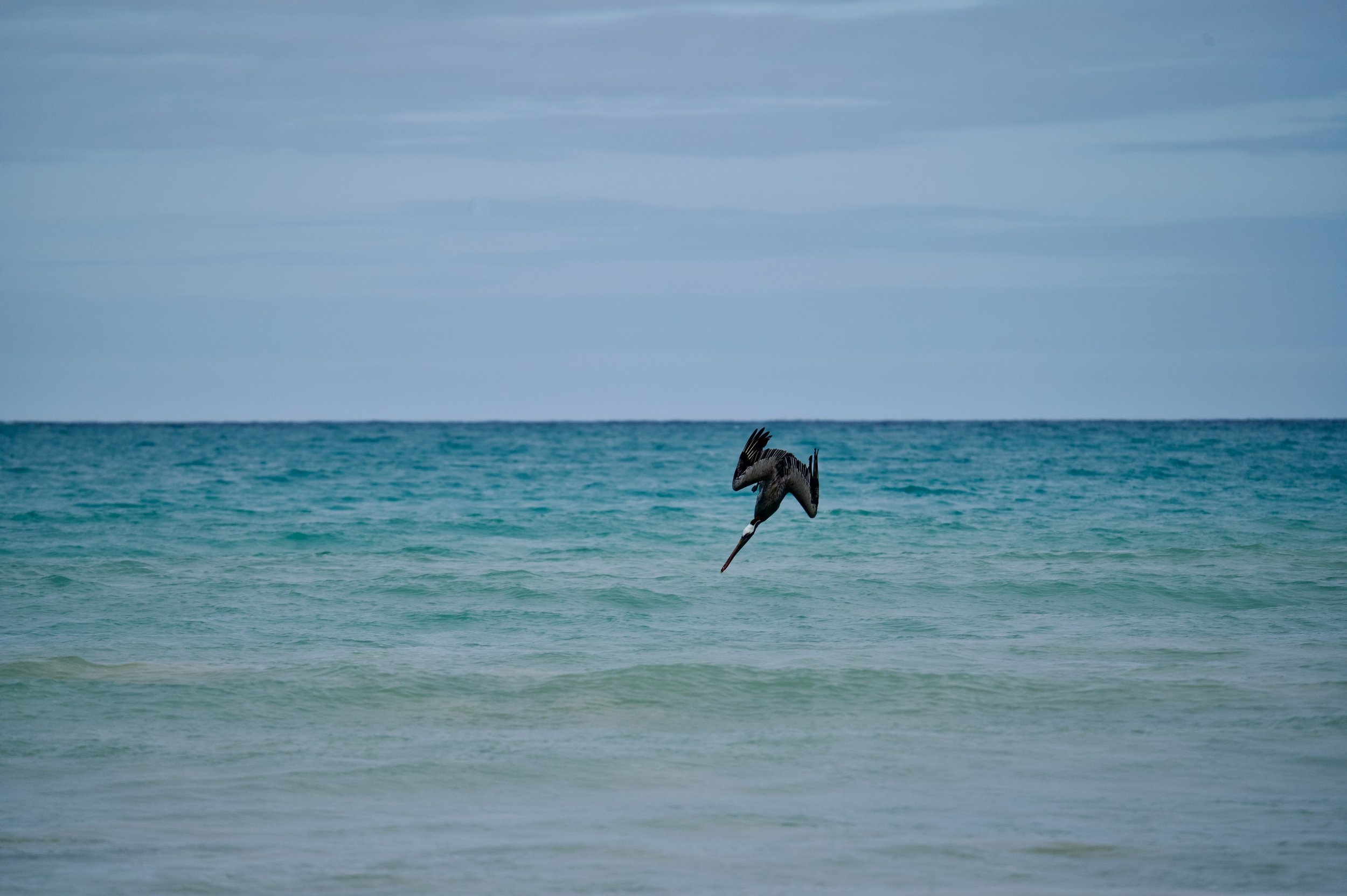
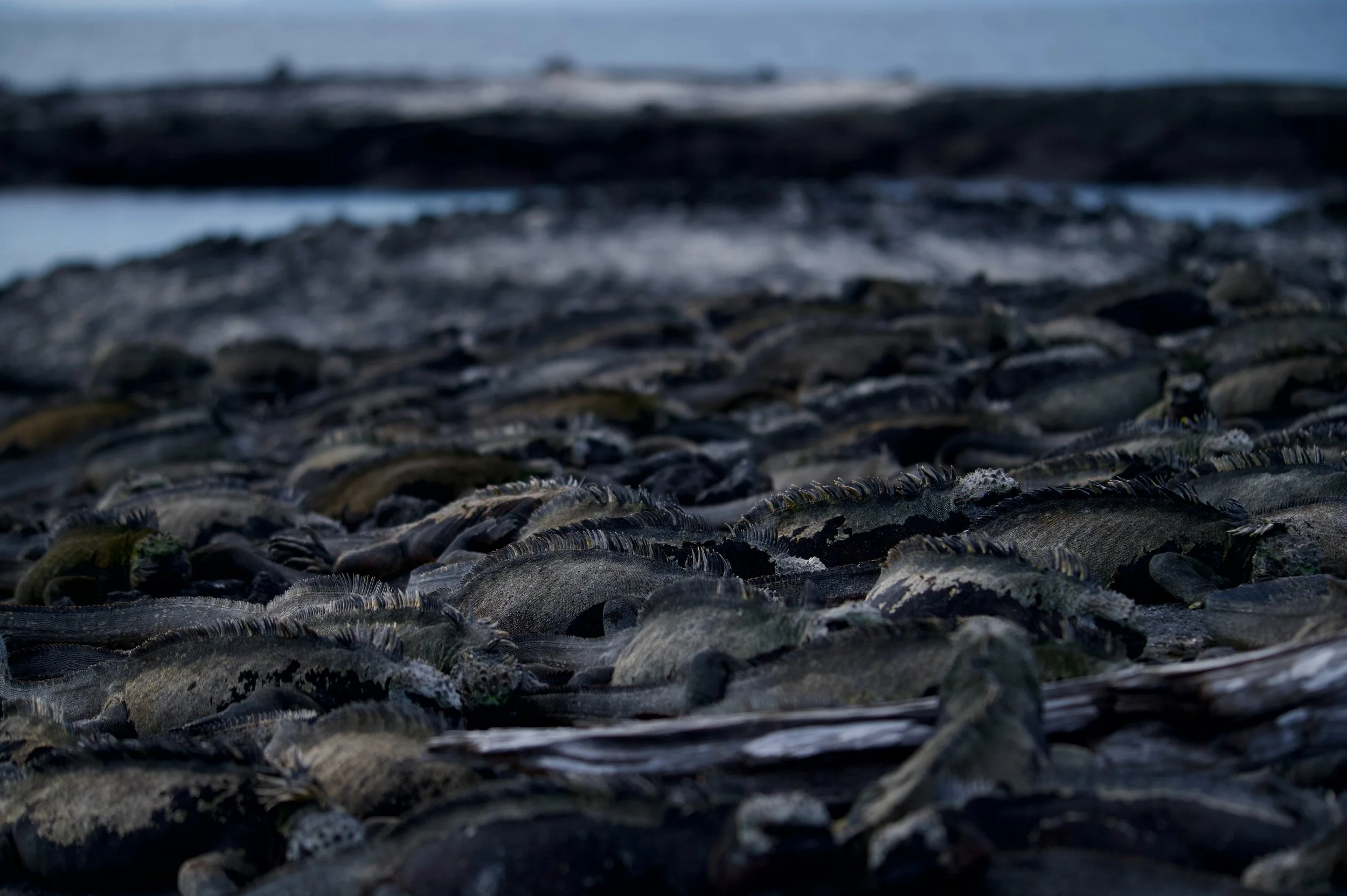
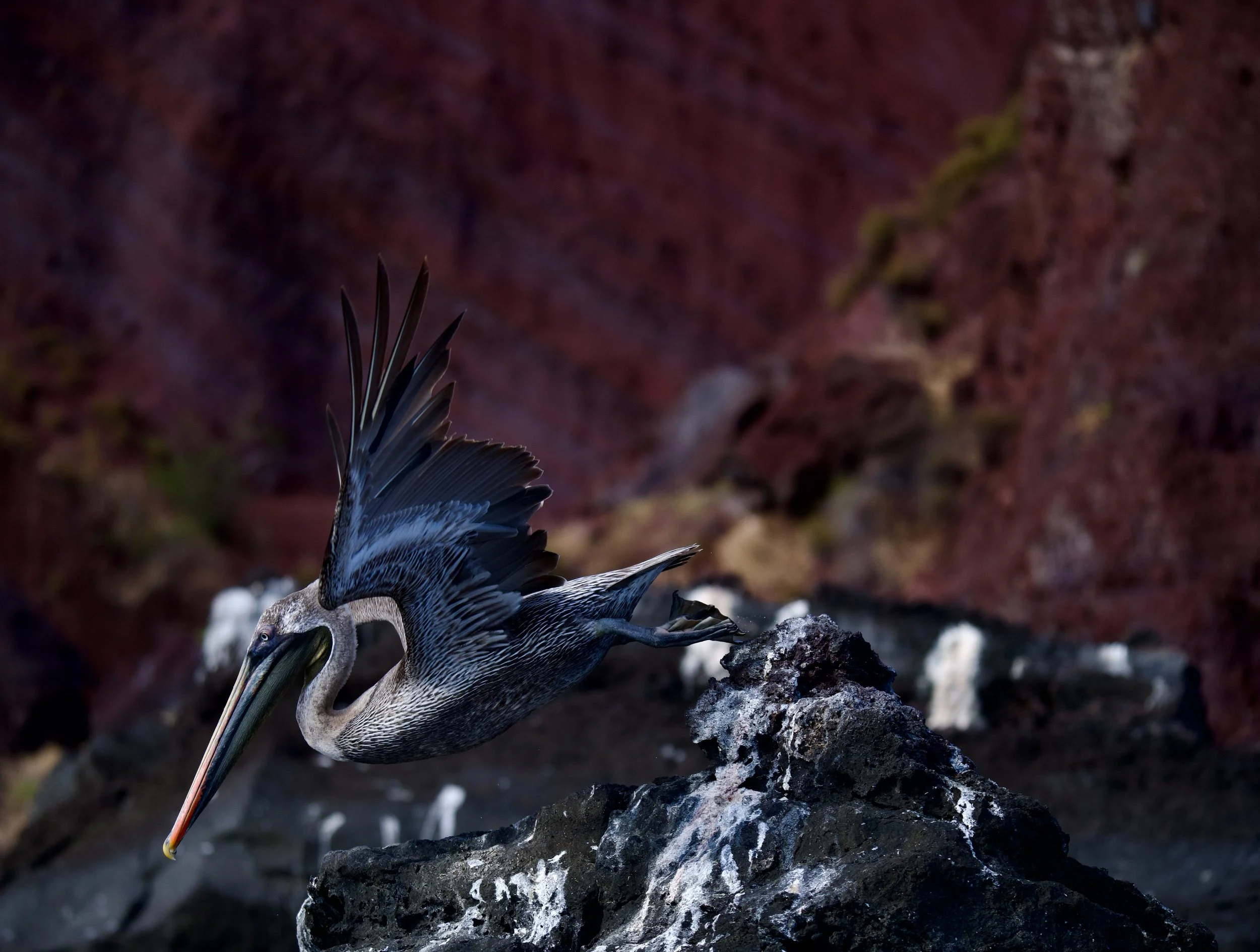
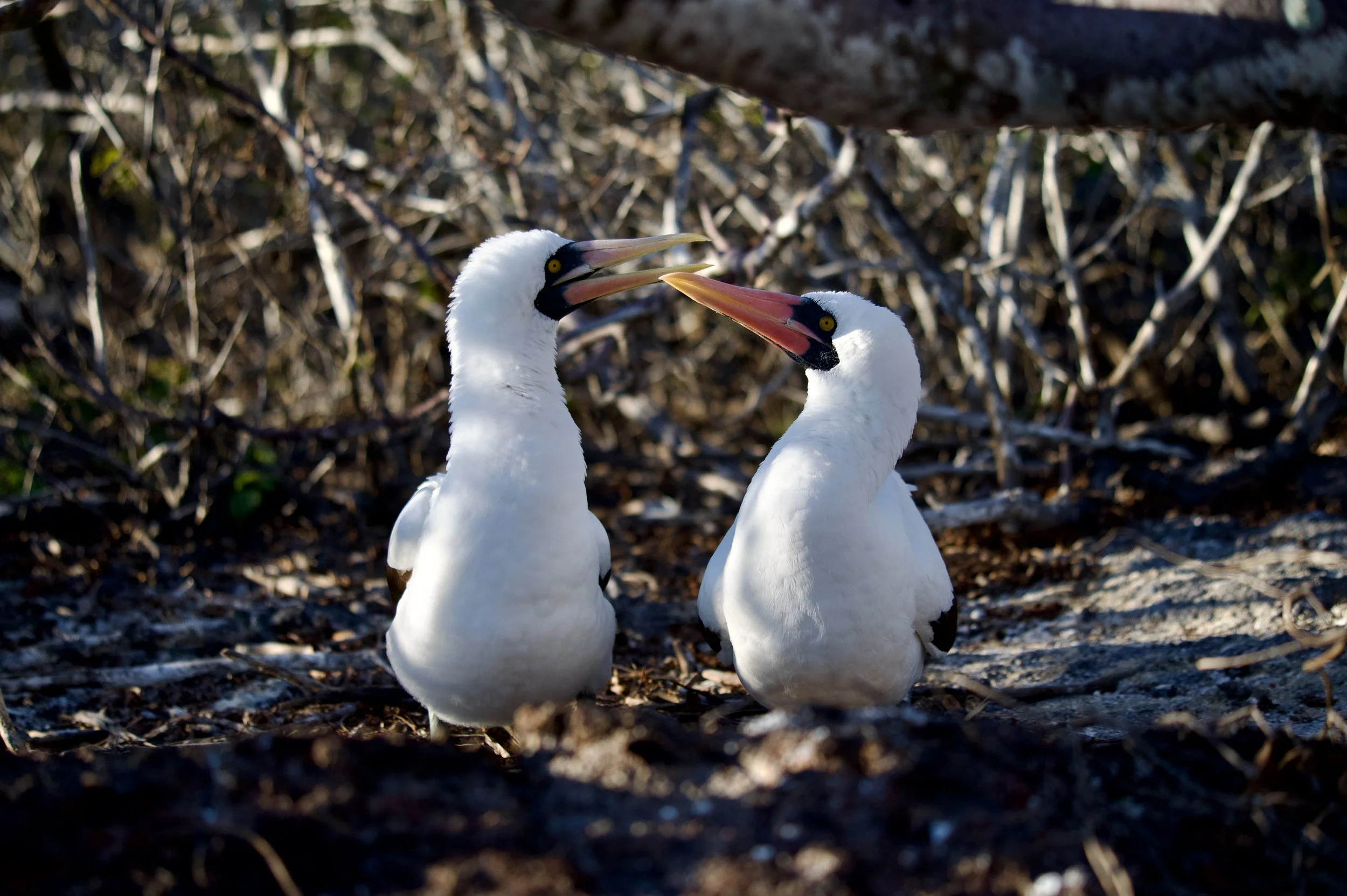
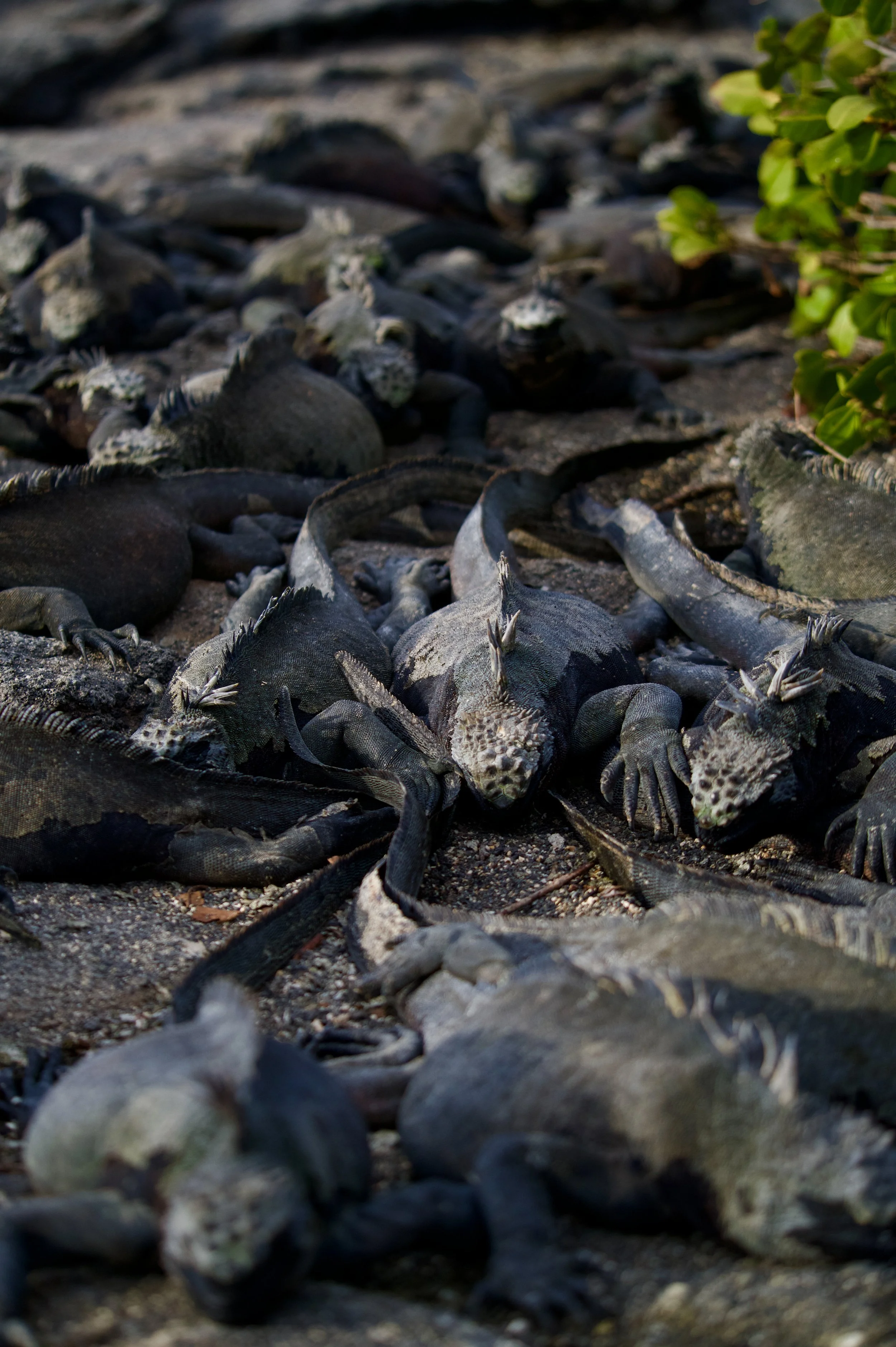
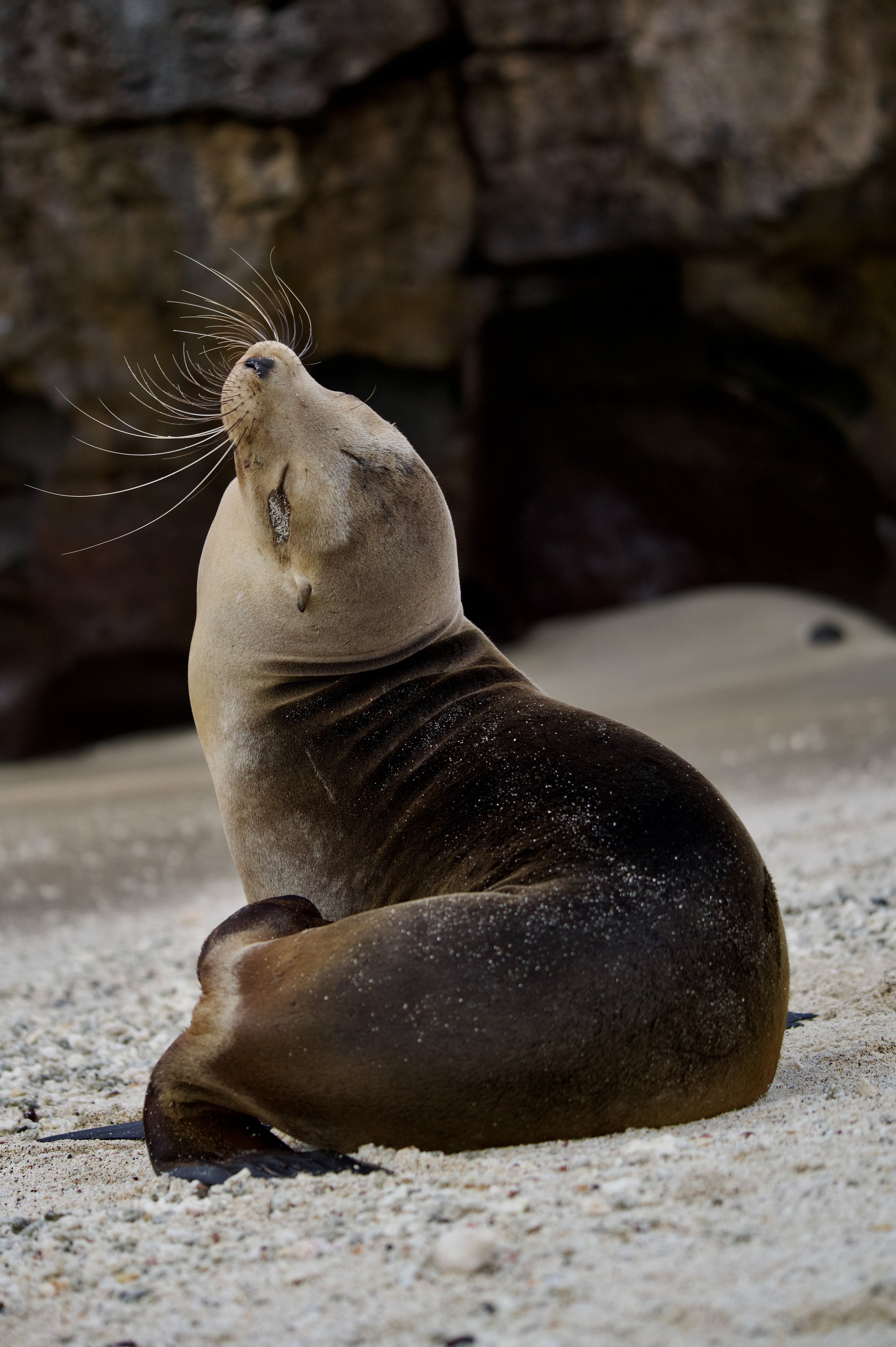
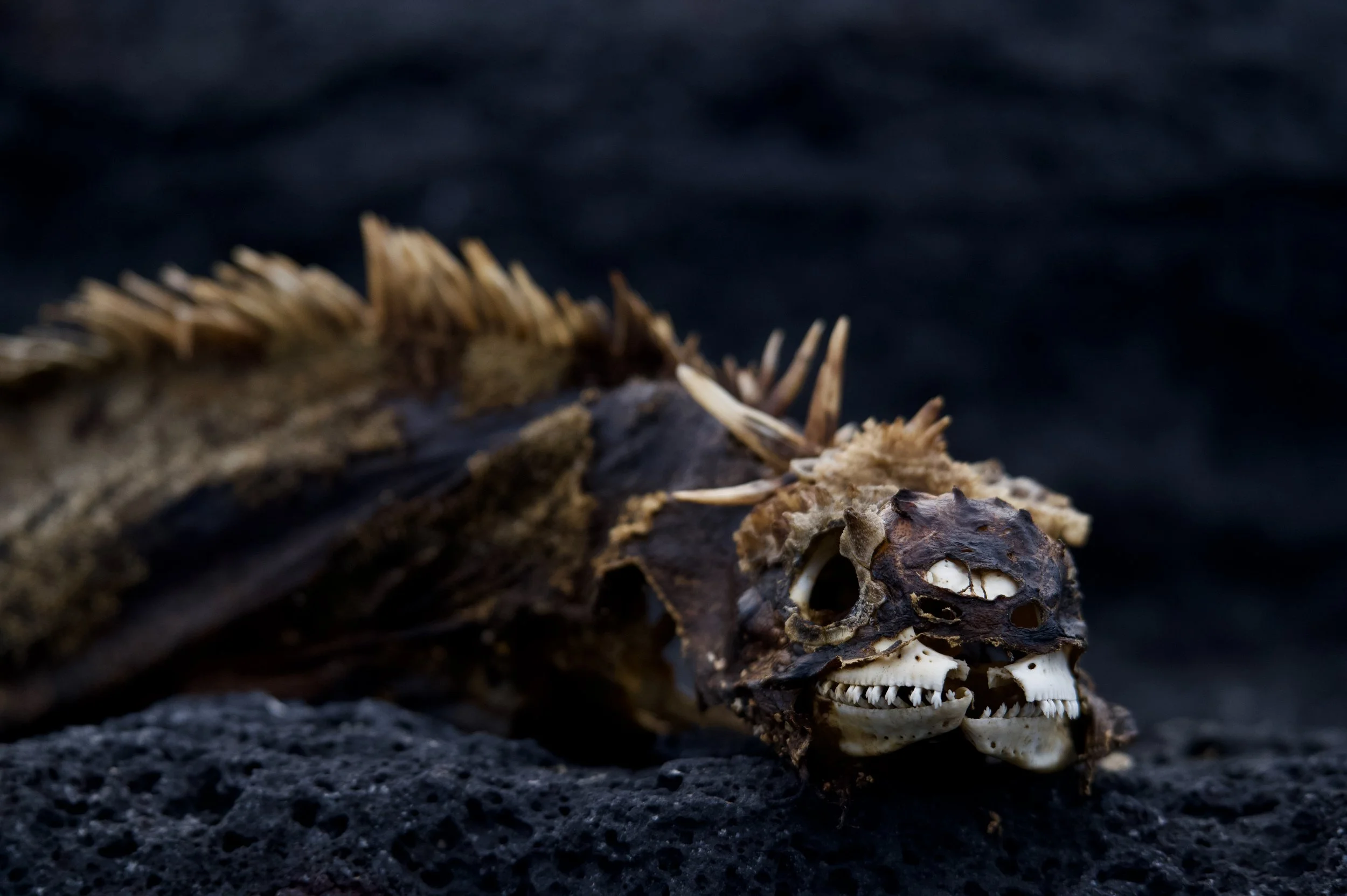
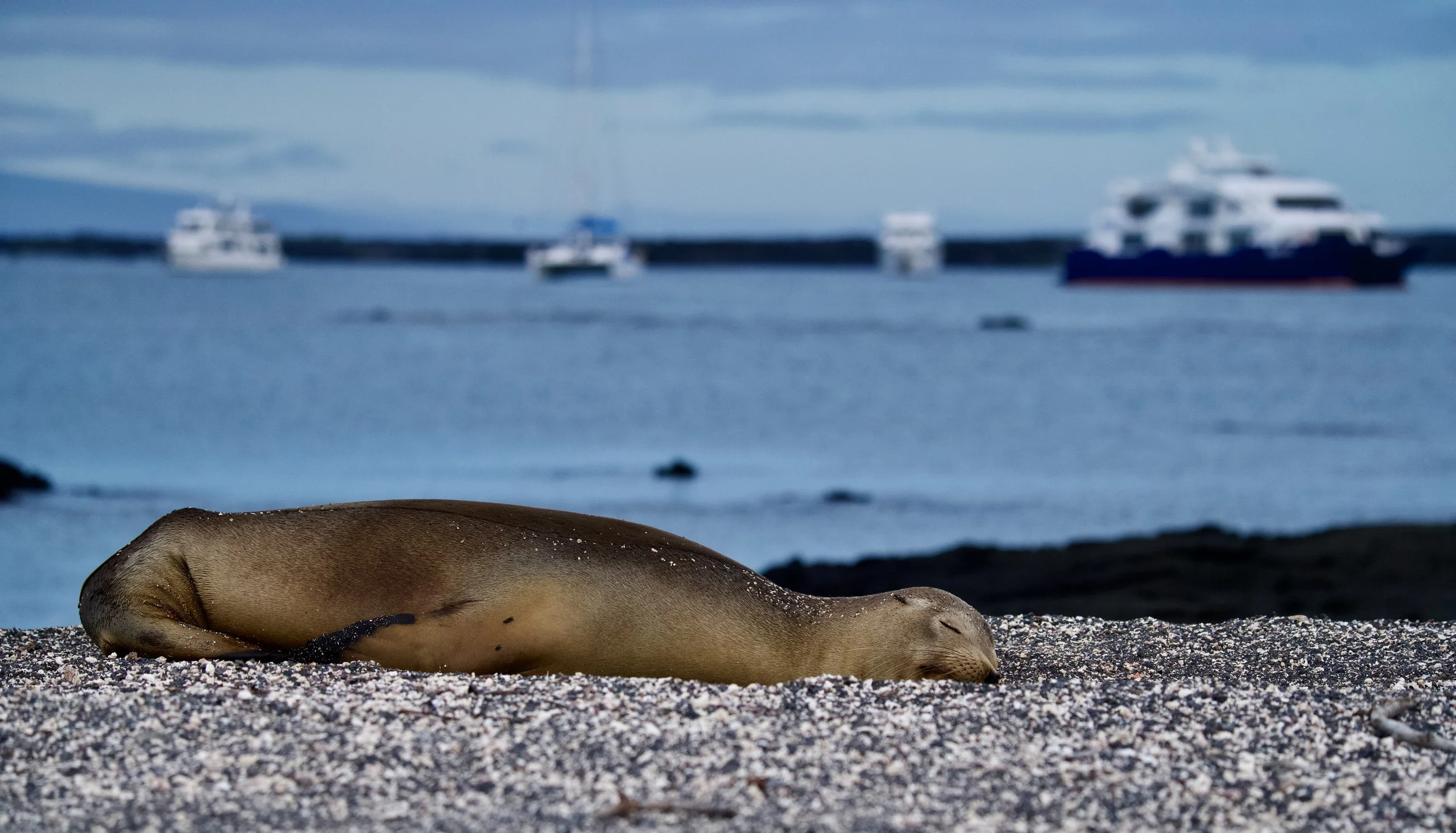
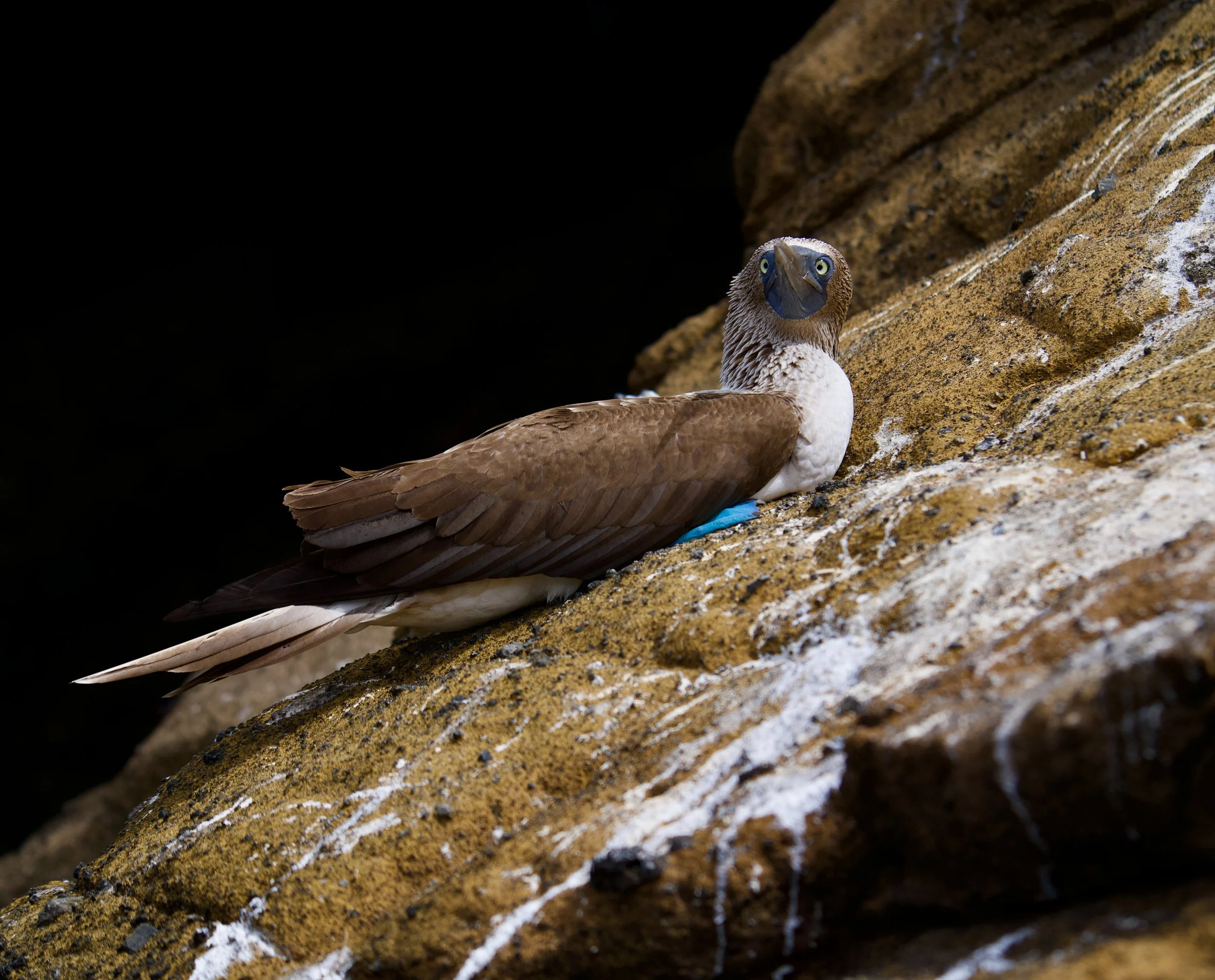
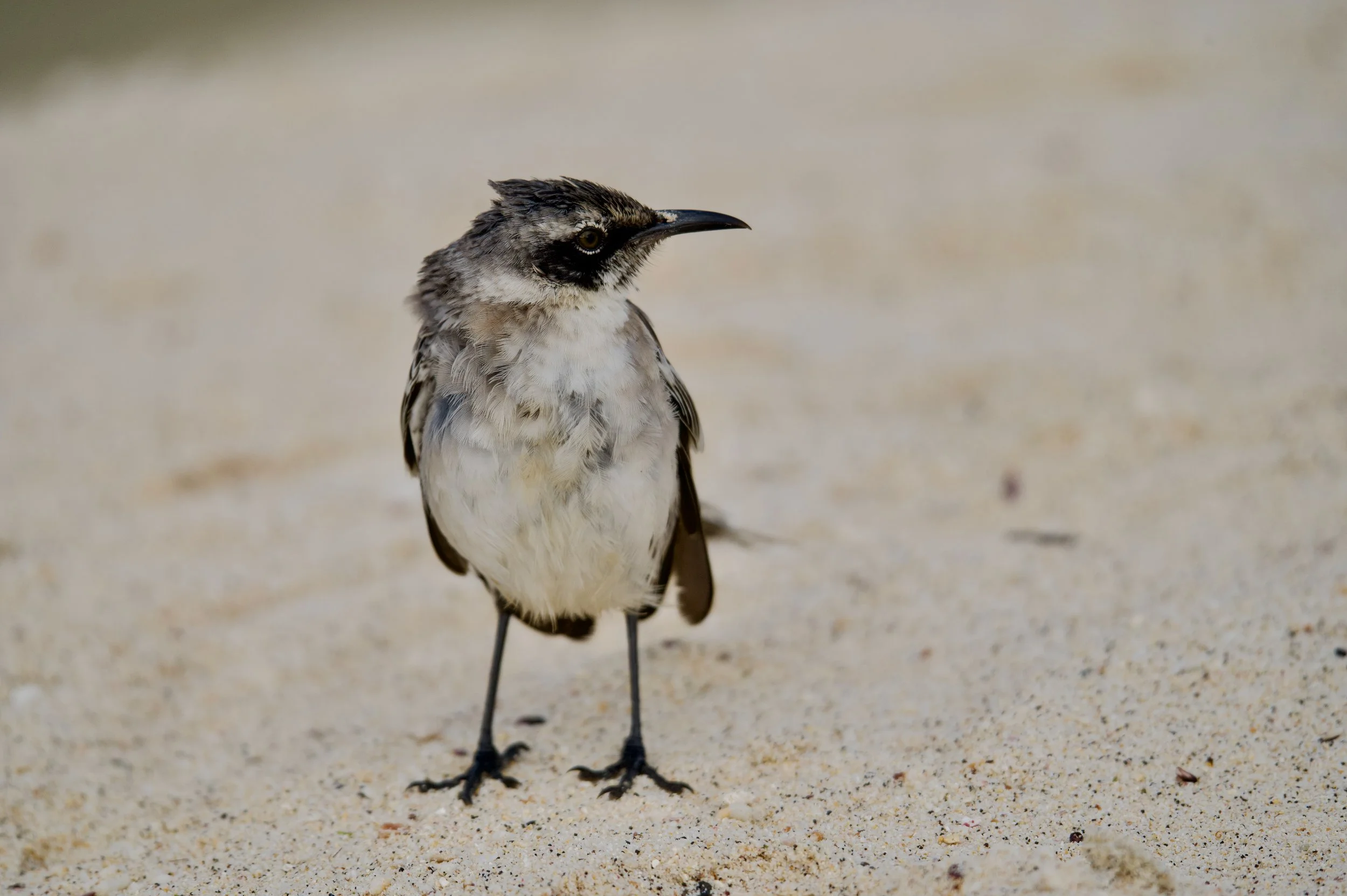
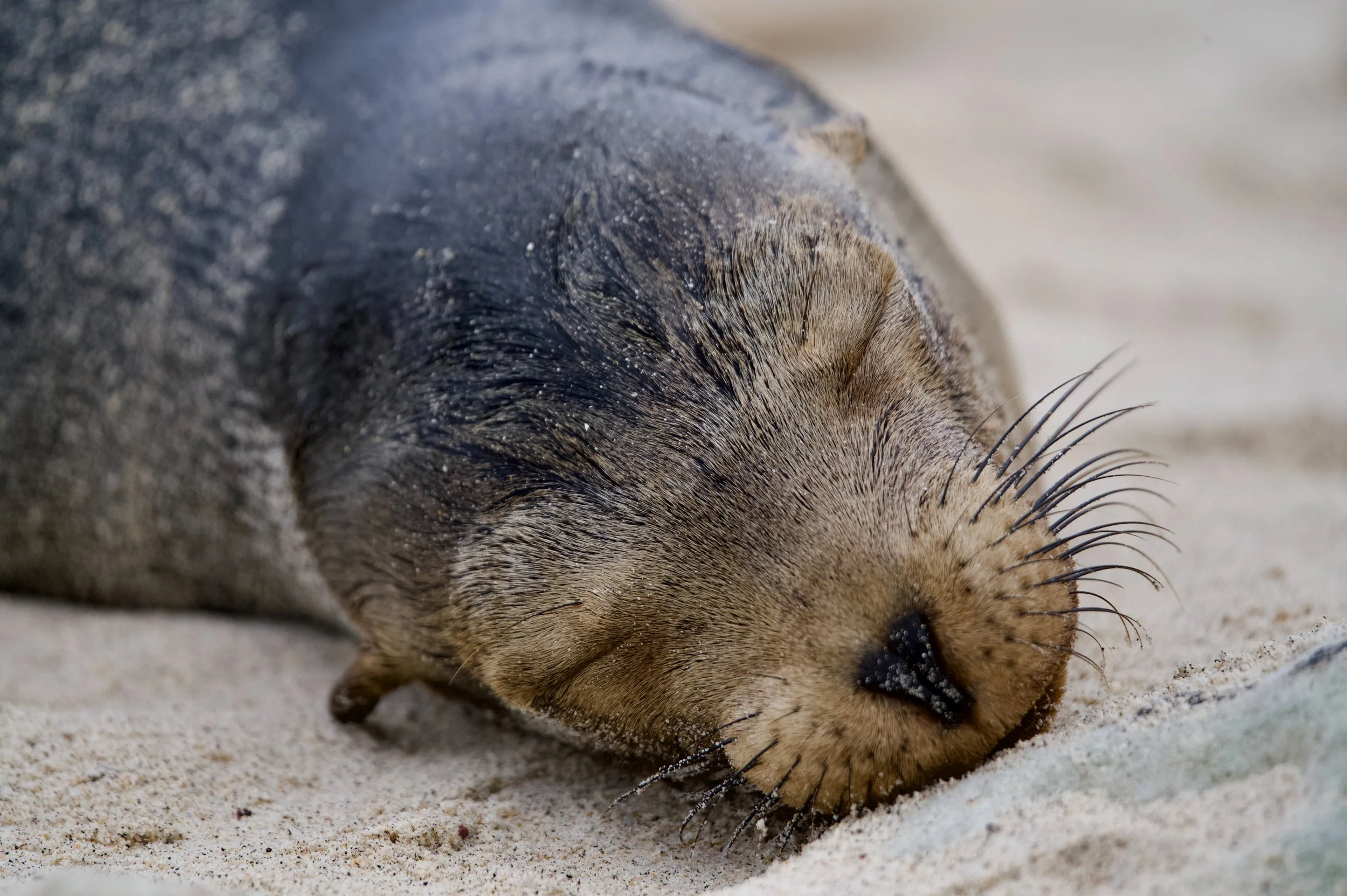
If feels remarkable that these barren-appearing shores could sustain even the most primitive life forms, and yet the tiniest exploration reveals ecosystems teeming with life: thousands of coal-black marine iguanas lounging in the sun, blue-footed boobies dropping from the sky as magnificent fishing torpedoes, whips sea lions nipping playfully at the tips of your diving fins. Even more remarkably, with decades of protection under the Ecuadorian National Park Service, most creatures seems uniquely naive to the predatory hierarchy and lounge comfortably in the scope of the camera lens, allowing for an intimate and authentic peak into their daily existence.
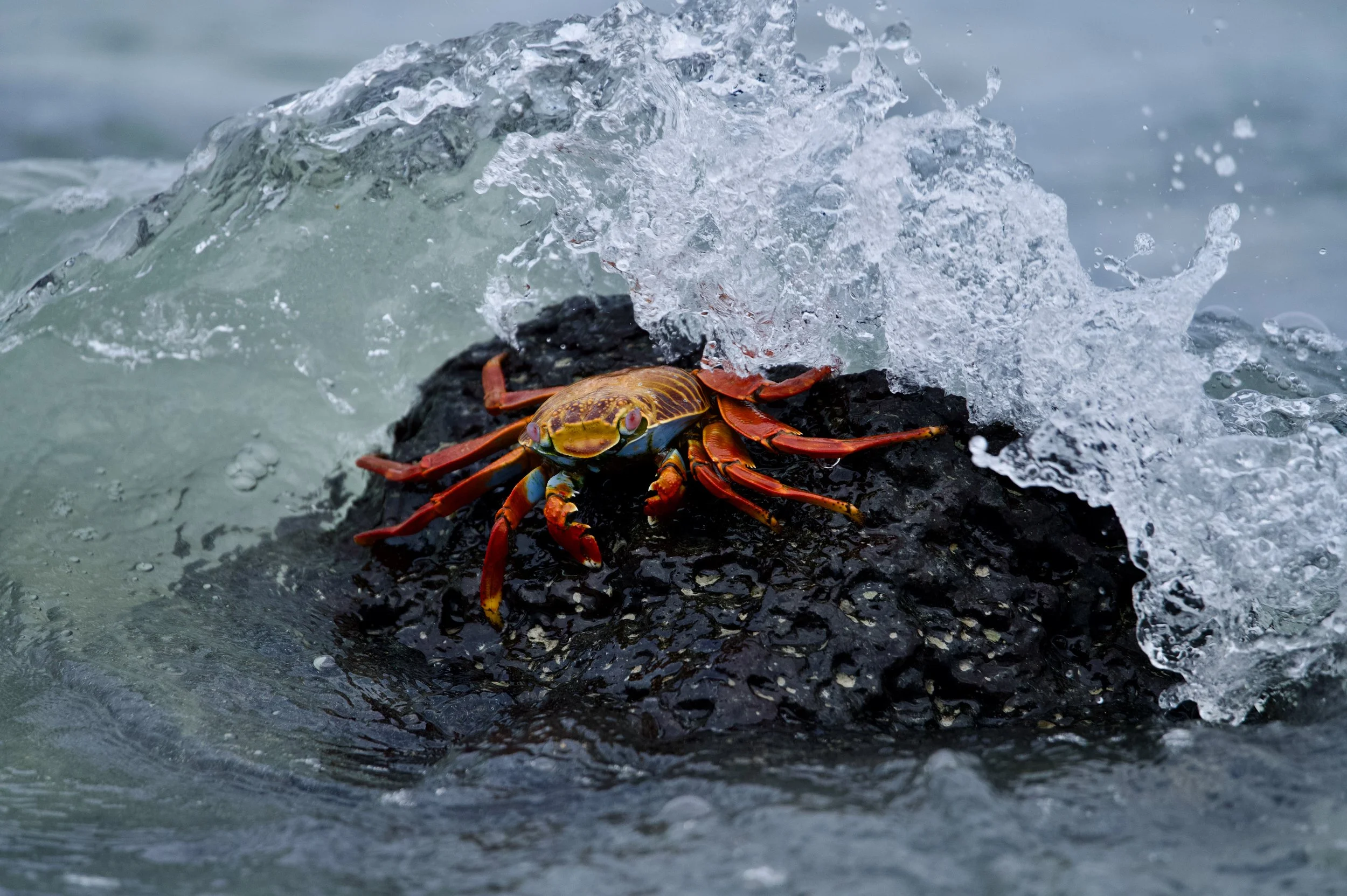
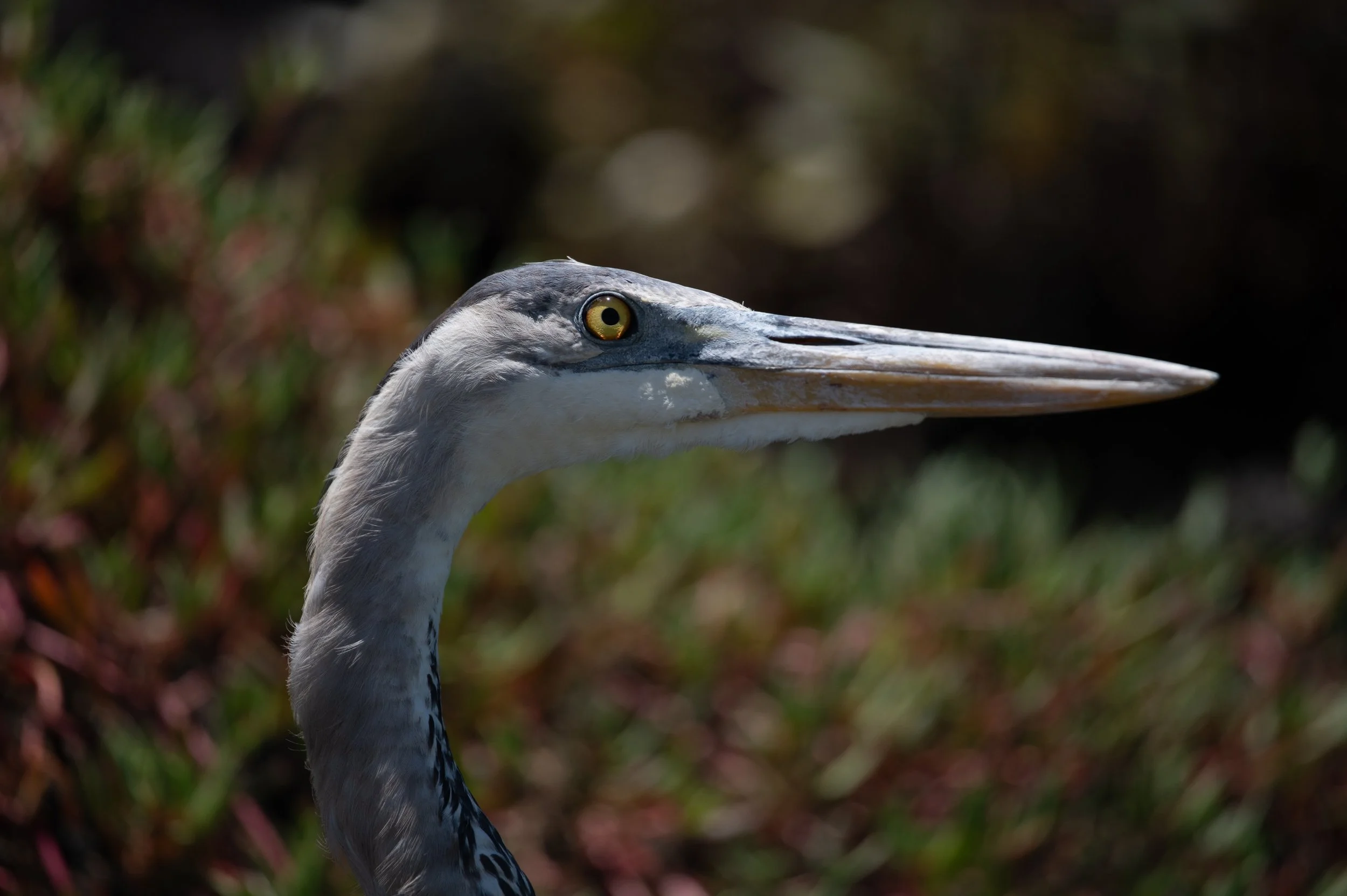
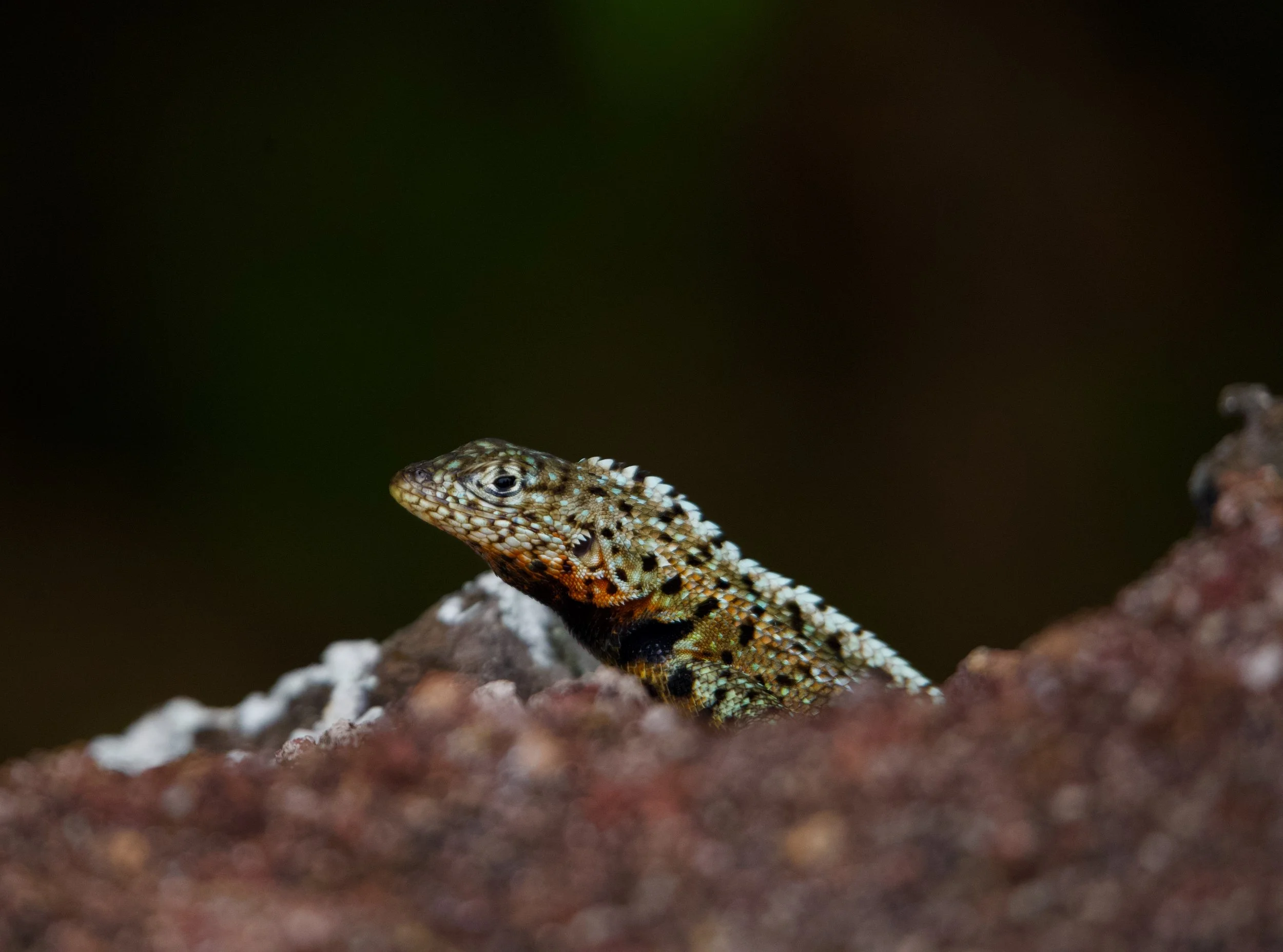
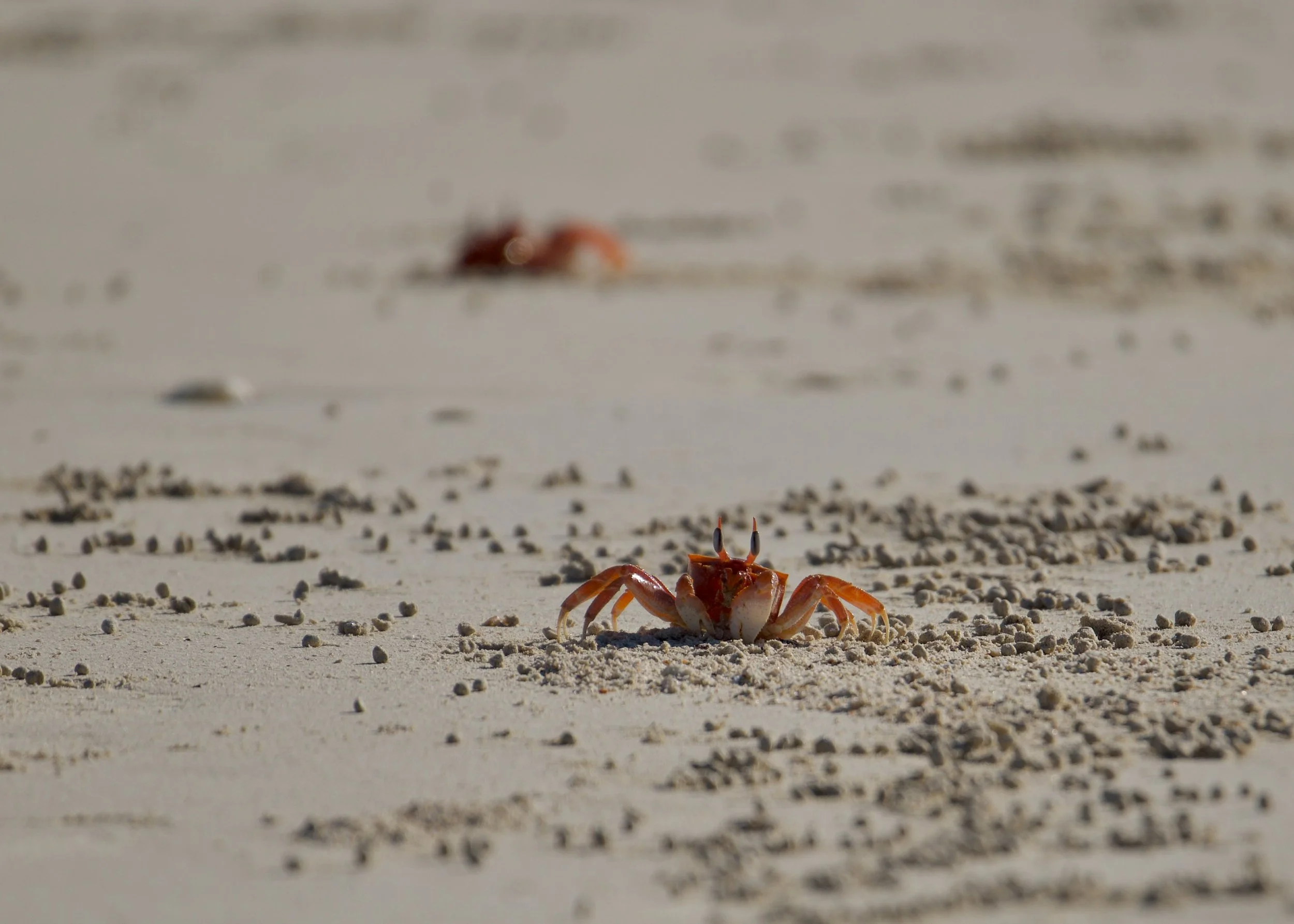
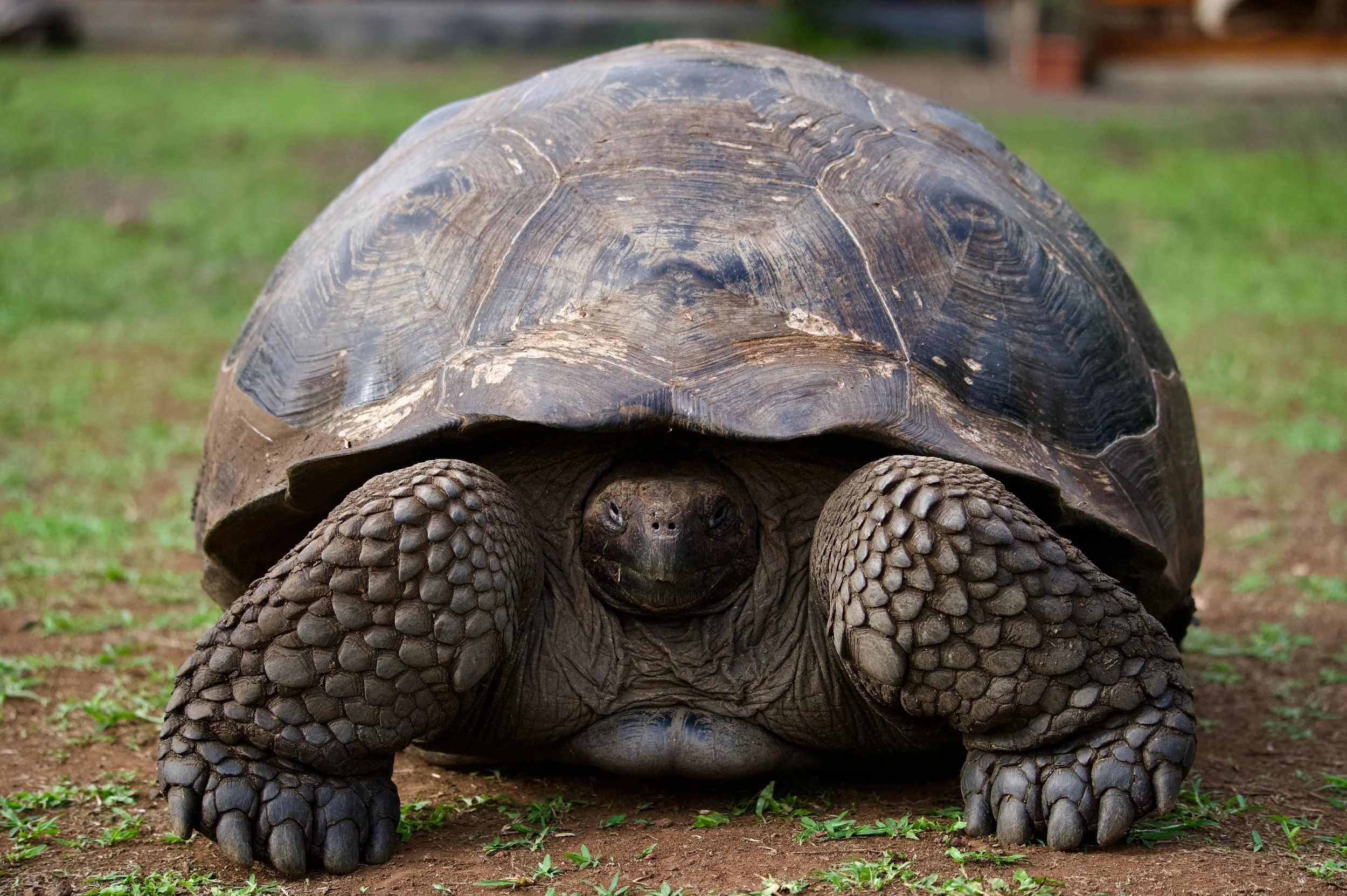
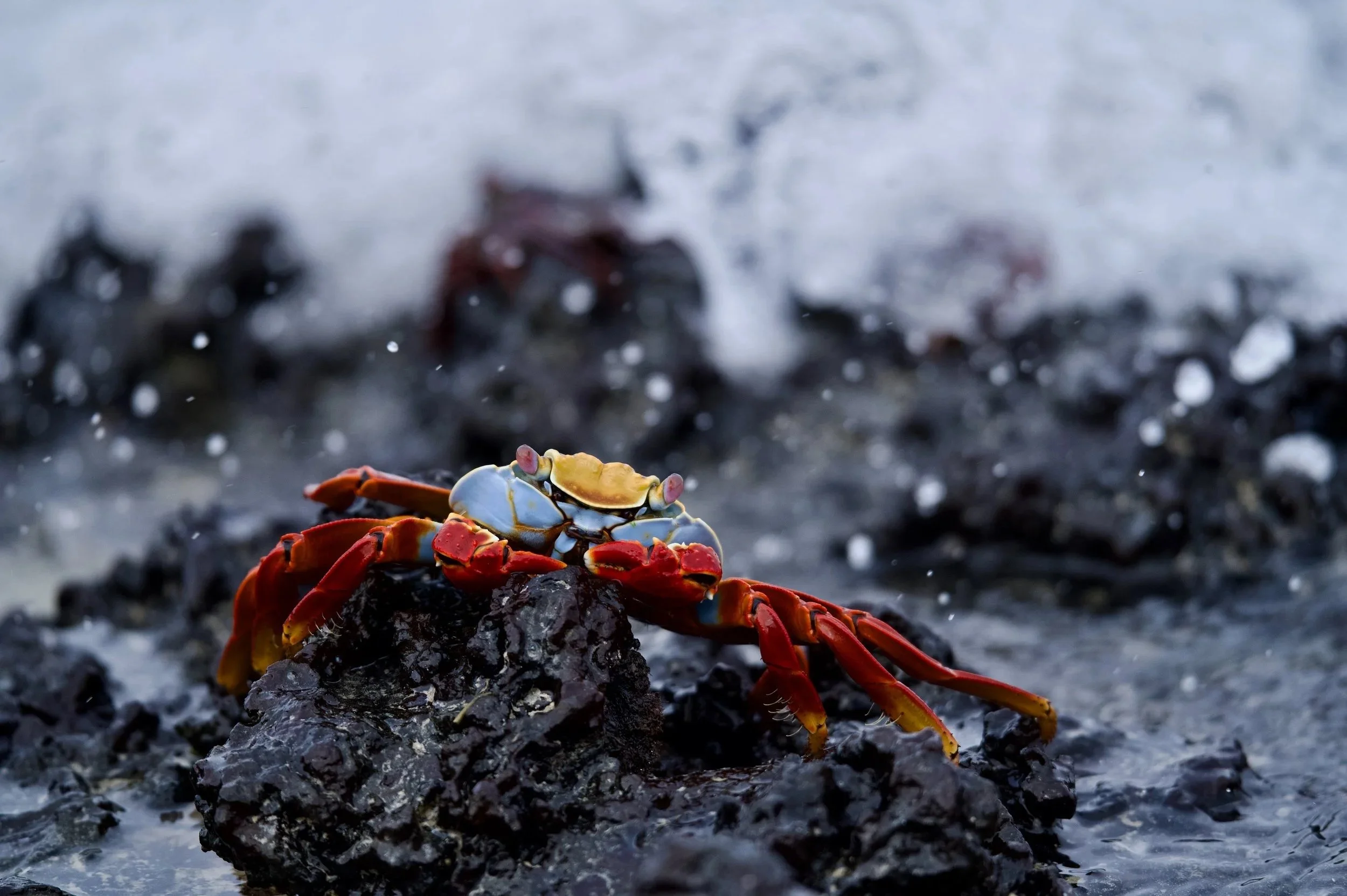
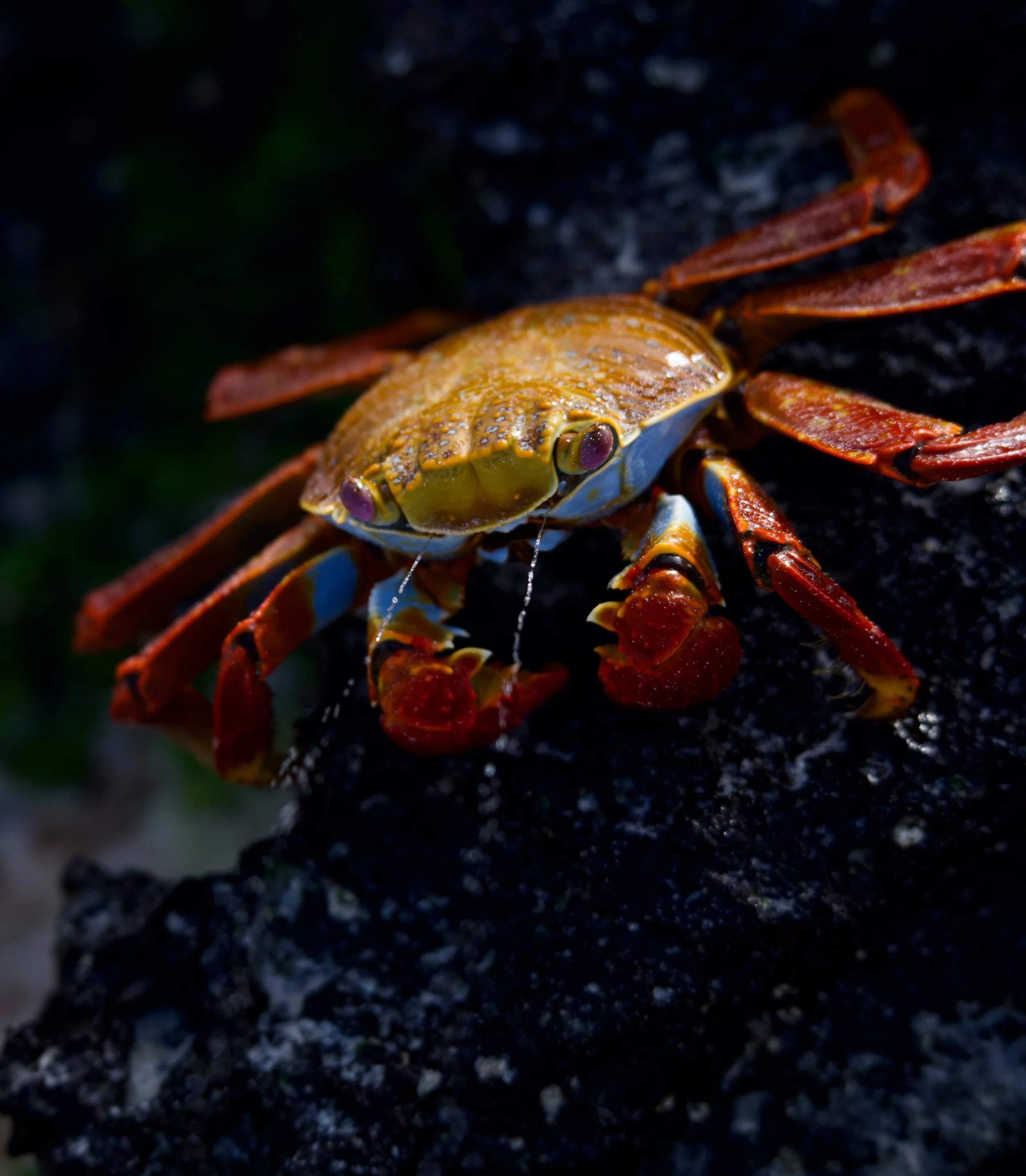
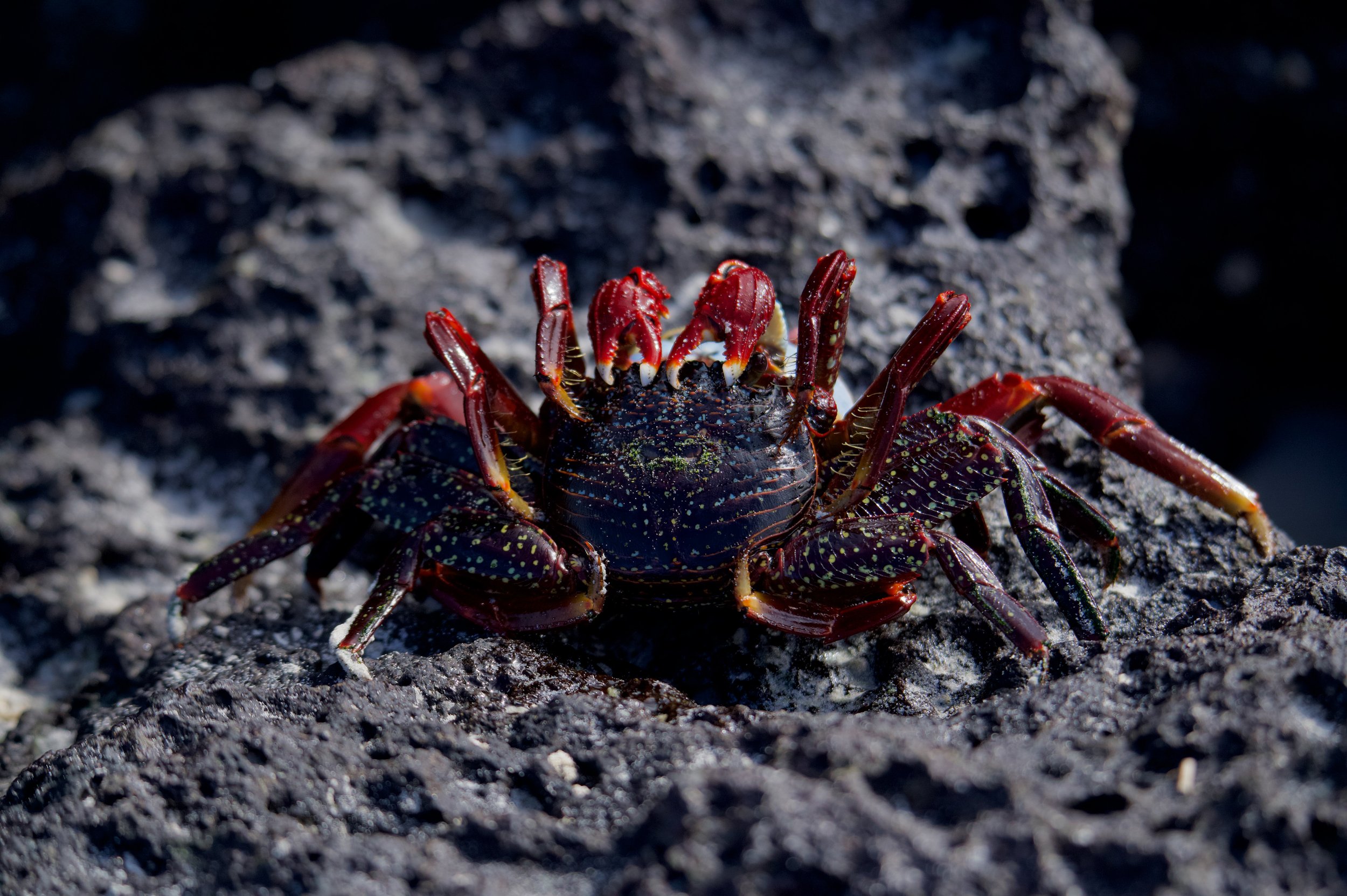
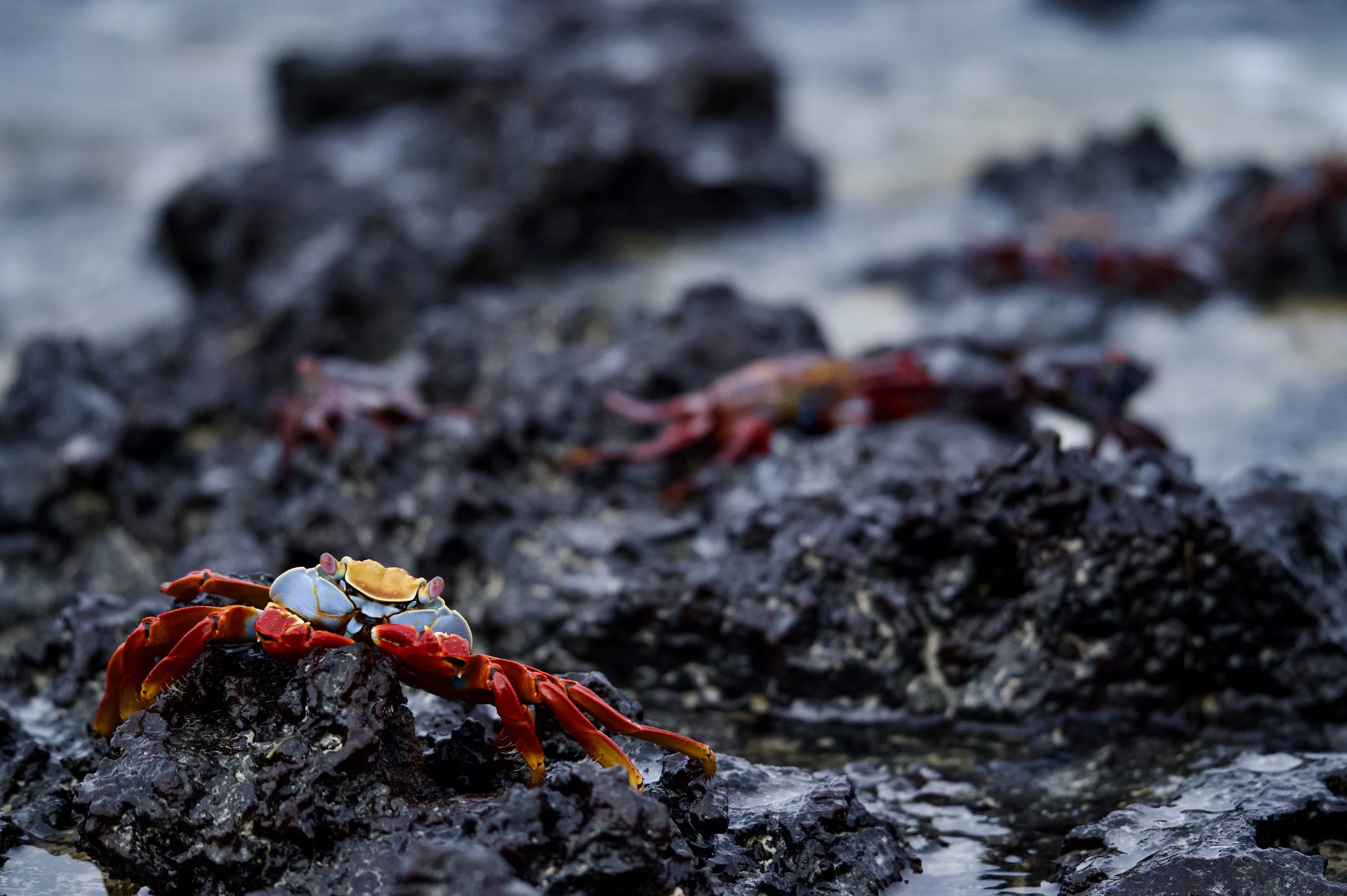
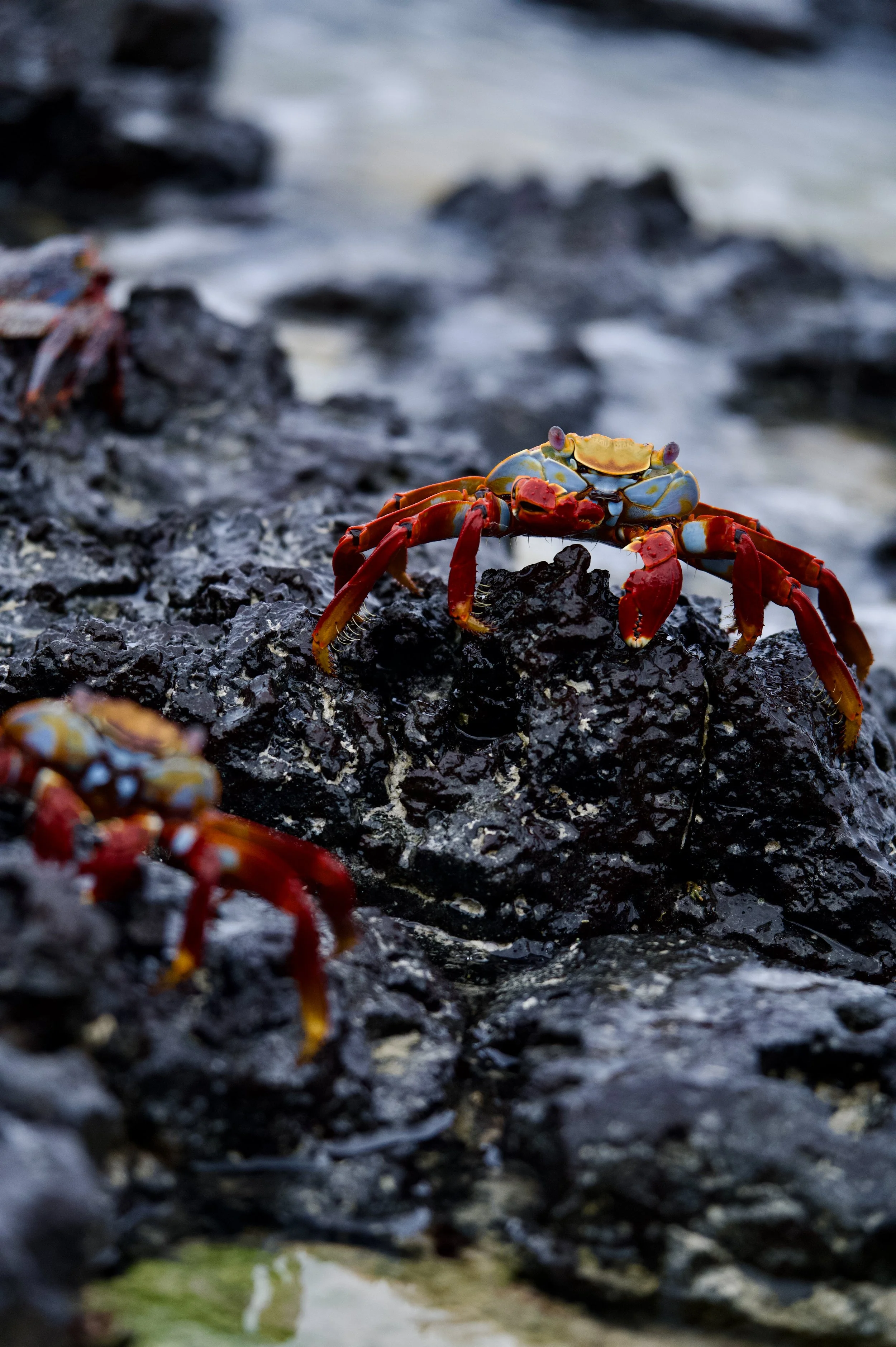
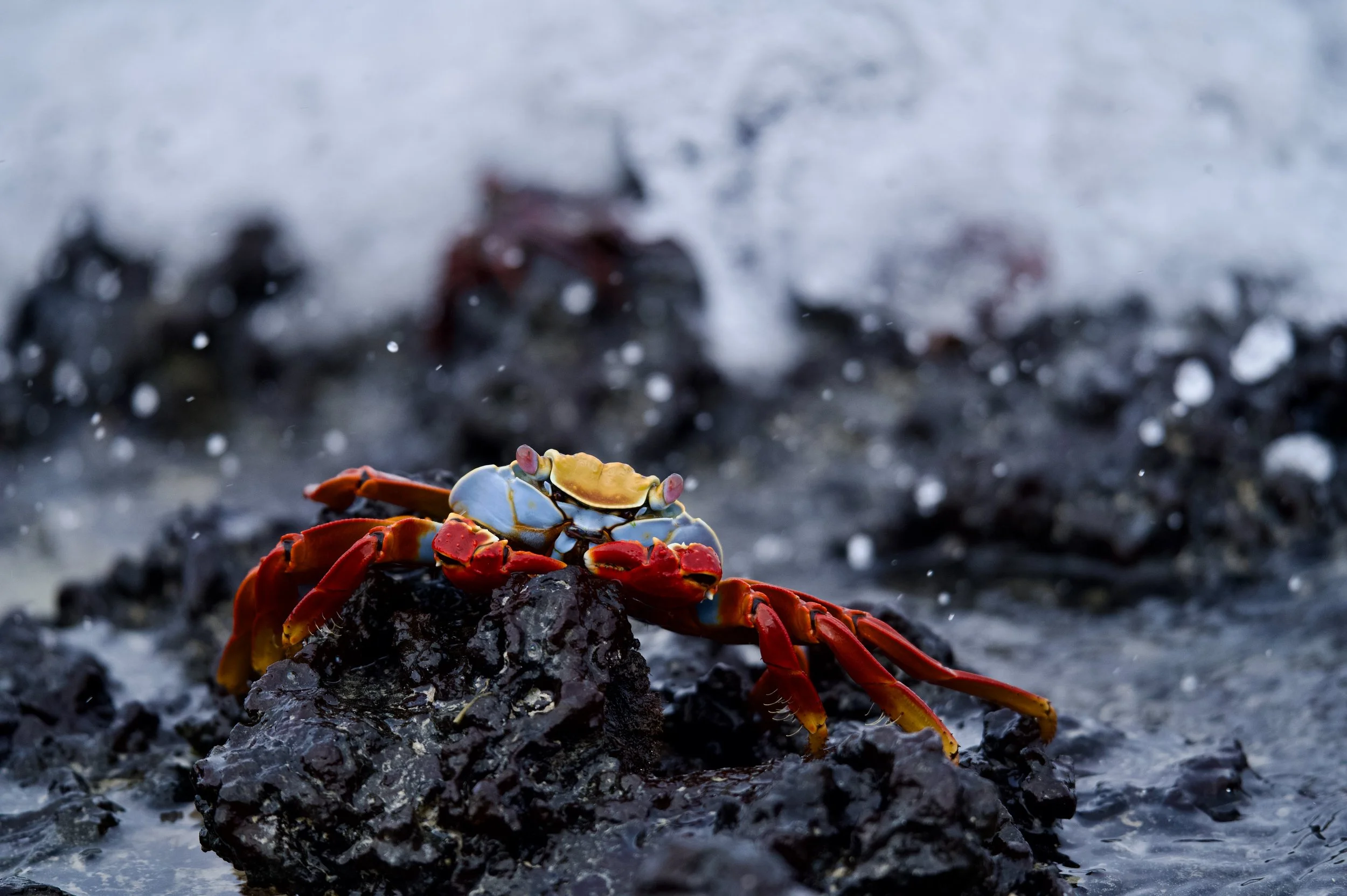
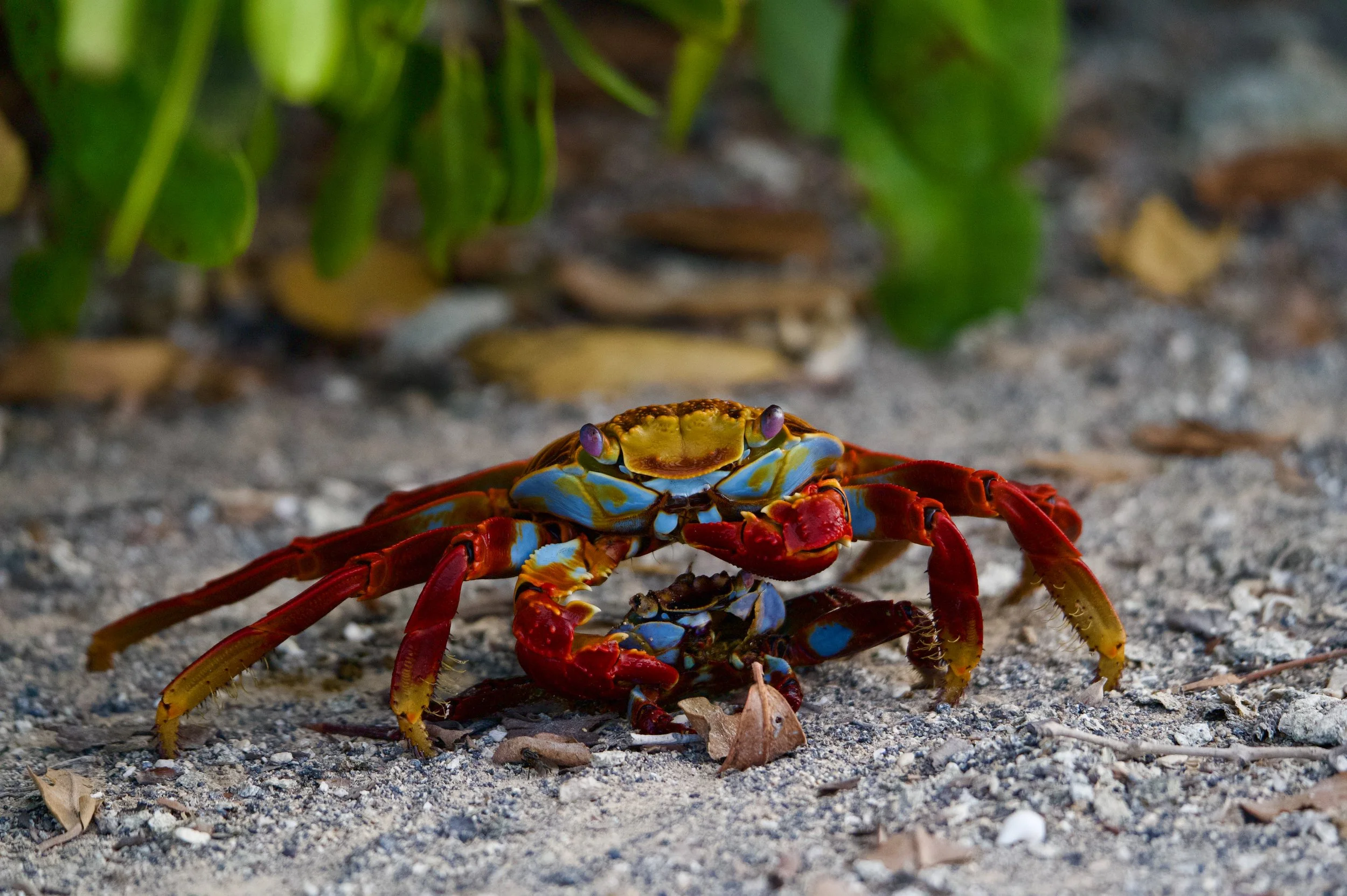
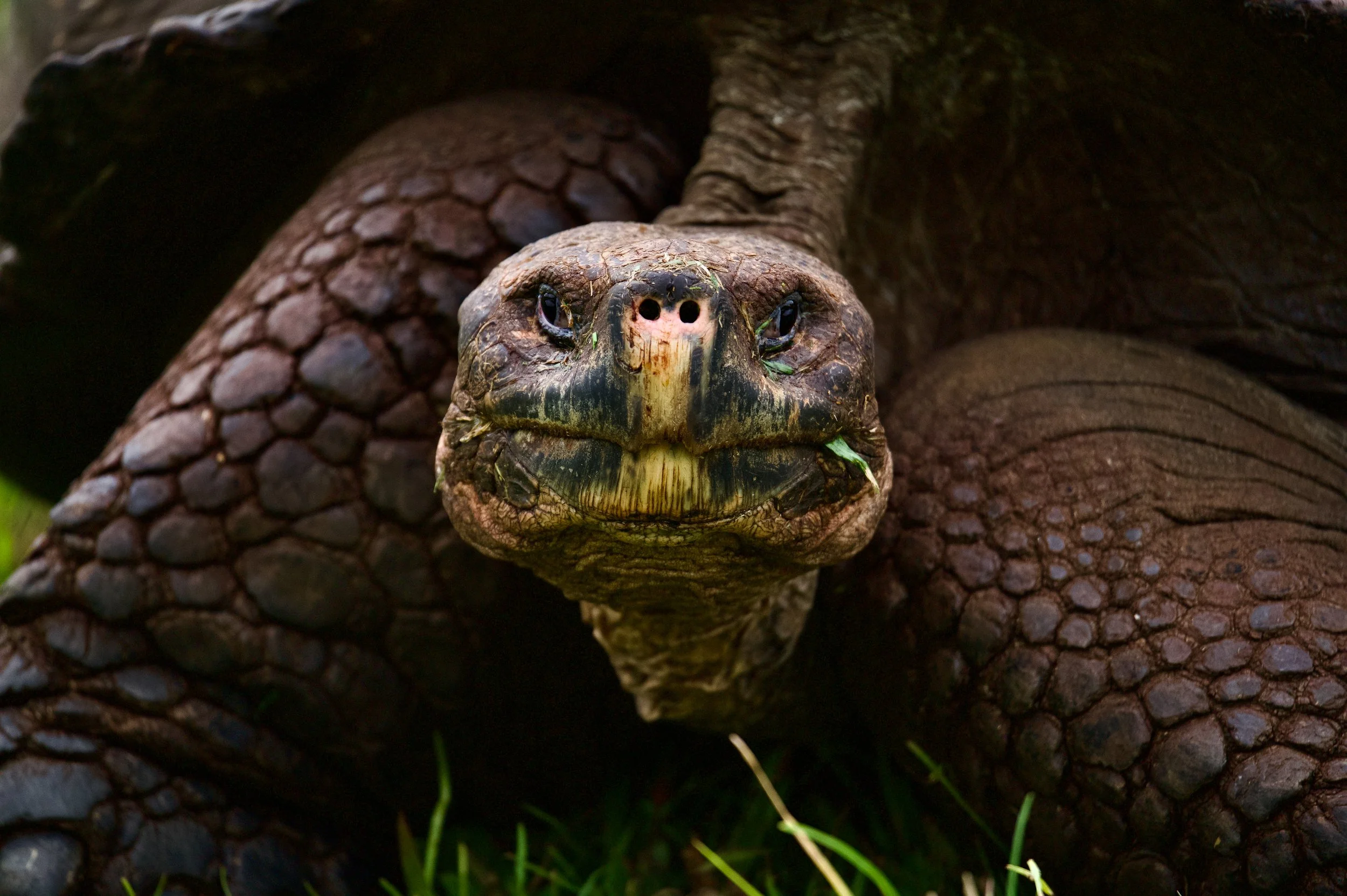
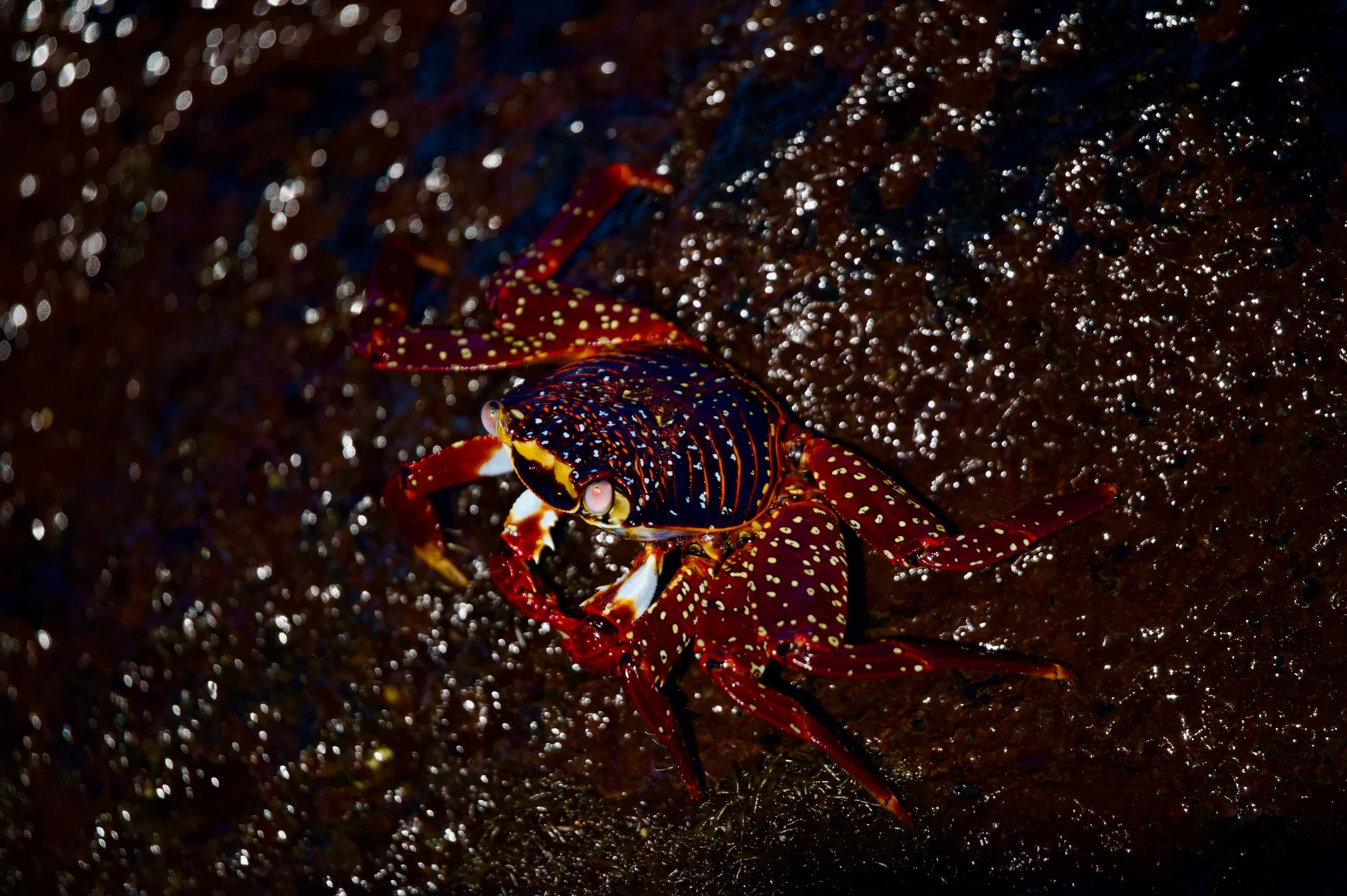
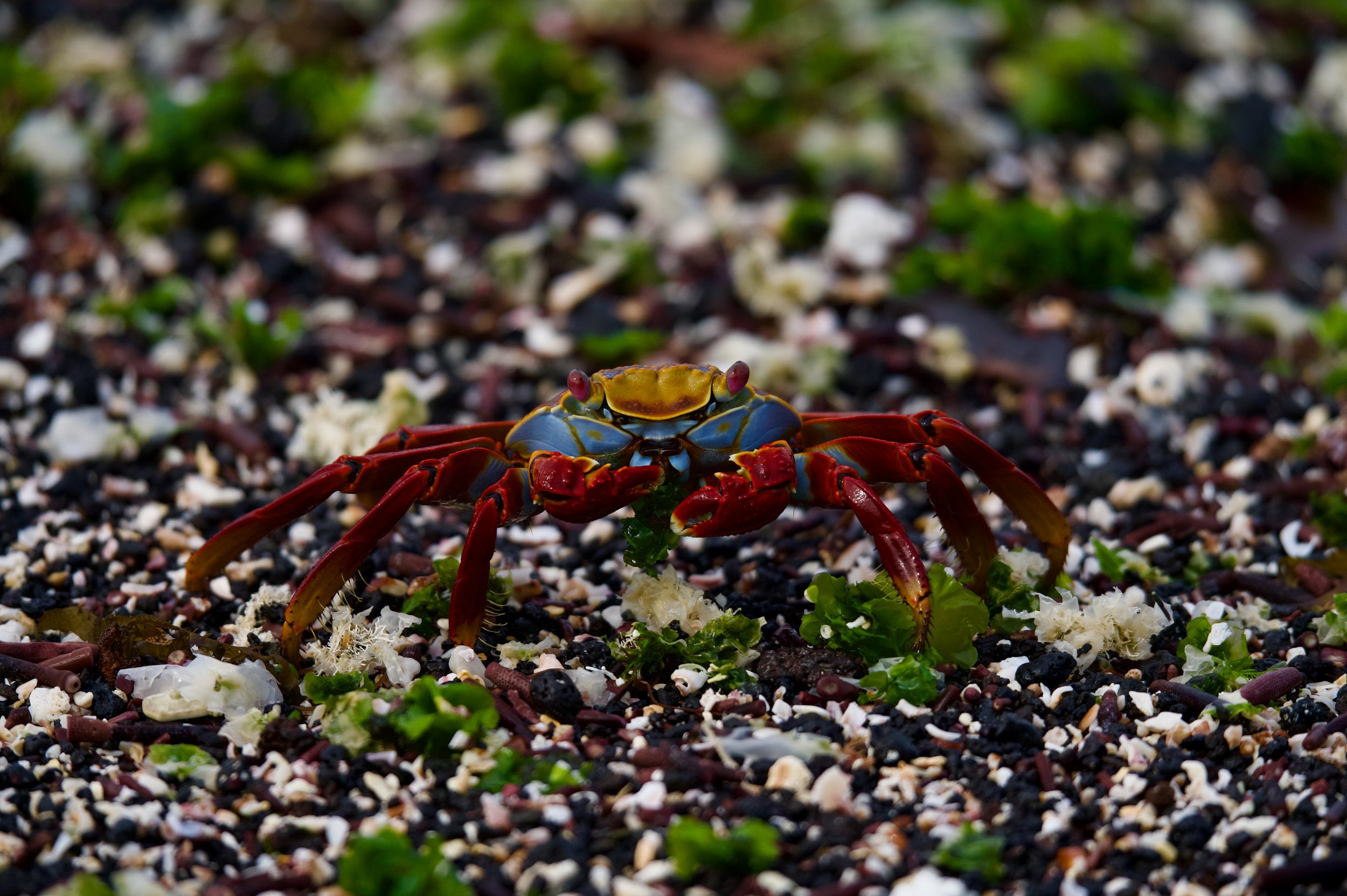
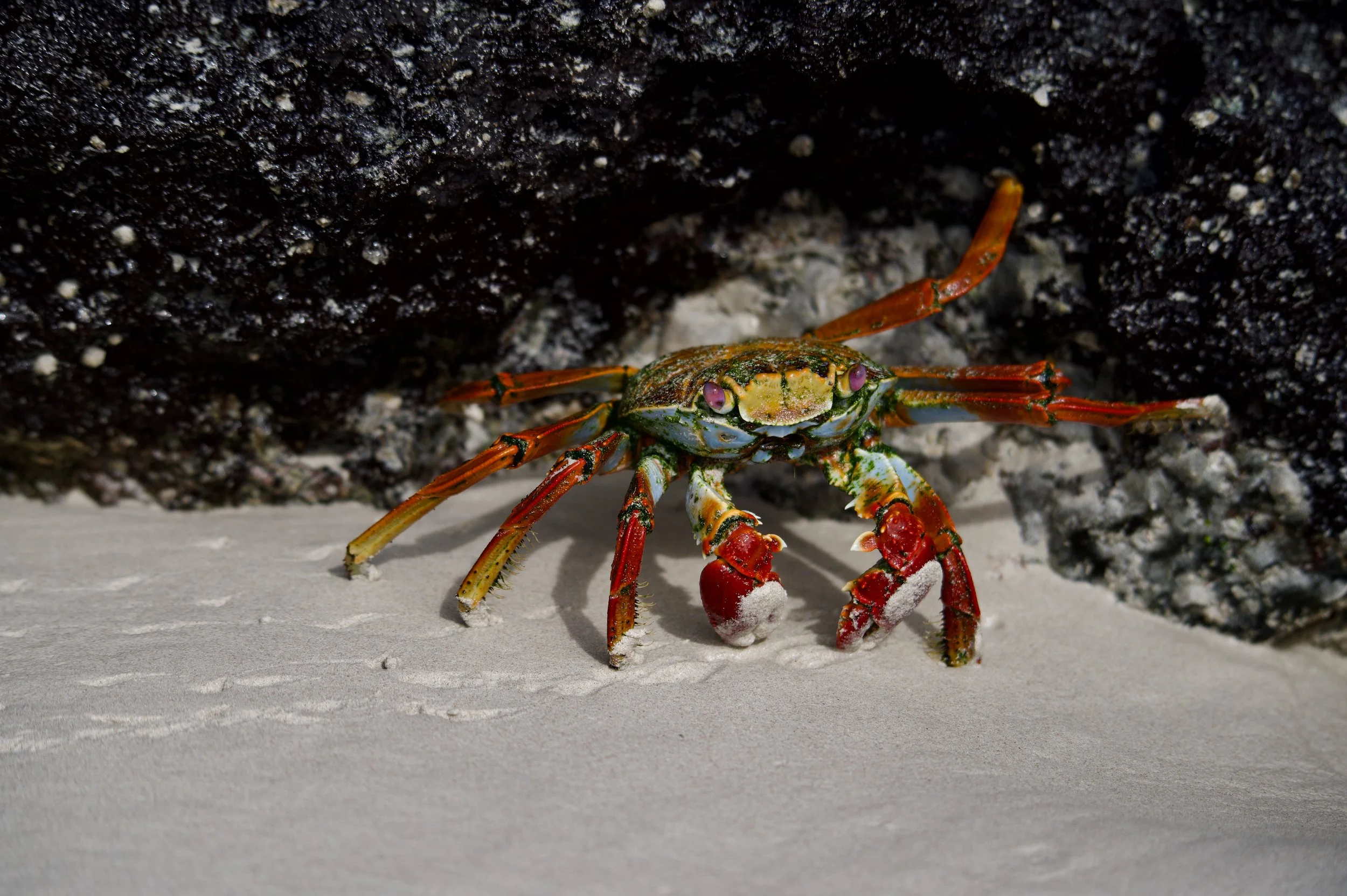
This collection of photographs is my attempt to showcase the incredible biodiversity that thrives on this primordial landscape, from colorful Sally Lightfoot crabs to the giant tortoises that carry the islands’ namesake. They were captured with a mirrorless Nikon Z6ii and a Tamaron 100-400mm zoom lens during the 2024 garúa season and span six islands: Santa Cruz, Isabela, Fernandina, Santiago, Rabida, and Genovesa.